From a school carpool on the day John F. Kennedy was assassinated to an Iranian teenager facing deportation, ten live-action shorts in contention for the 99th Academy Awards explore the everyday work and impossible choices of caring for a child.
Cilicy Dean | Arts Muse Magazine | Film
On her first night apart from her baby daughter, Esther goes looking for someone to hold her. Jackie spends an evening trying to salvage the homework her son has barely started. And in a Luxembourg square, sixteen-year-old Laïla earns money dressed as the Statue of Liberty while her mother tries to keep her safe from deportation. The stakes could hardly be more different. What connects these films is how closely they watch people trying to care for someone when the outcome is beyond their control.
Without Kelly — The first night apart
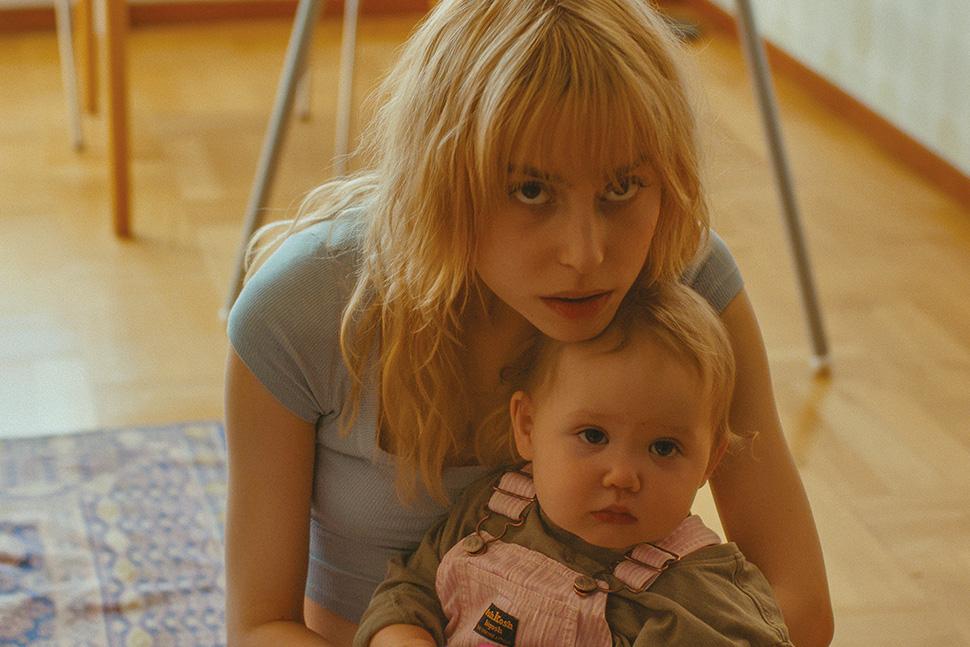
When Esther (Medea Strid) leaves her baby daughter with the child’s father for the first time, she has a night to herself and no idea what to do with it. Still reeling from a breakup, she looks for touch and reassurance. Swedish writer-director Lovisa Sirén gives that longing a physical dimension. Esther misses the closeness of her daughter even as she seeks a kind of intimacy that belongs to her alone.
There’s a particular tenderness in allowing Esther to be restless and needy. So much of early motherhood is spent responding to another person’s body that a few hours alone can make a woman’s own needs feel unfamiliar. Sirén gives desire and grief room to coexist in a 15-minute drama that won the Orizzonti Award for Best Short Film at Venice and went on to screen at Sundance.
Last Minute — A homework crisis spills into the neighbourhood
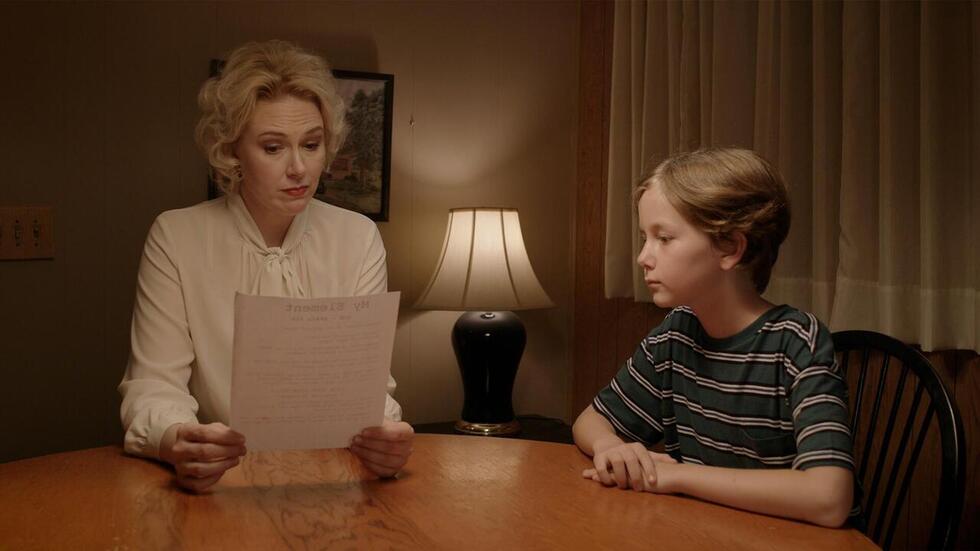
It’s 1989, and Jackie (Charity Schubert) has just discovered that her twelve-year-old son has left a major school assignment until the night before it’s due. Writer-director Michael Cusumano turns the scramble into a fast-moving comedy. With no internet to turn to, Jackie has to ask for help, and a problem that begins in one household spills into the neighbourhood. The short won the Louisiana Film Prize grand prize and had its New York premiere at Tribeca.
Part of the fun is watching Jackie make a calculation familiar to any parent. How much of the mess should she leave her son to sort out, and how much can she leave to him with the clock running down? The film finds its warmth in seeing who pitches in when she asks.
The Drive — The afternoon the carpool changed
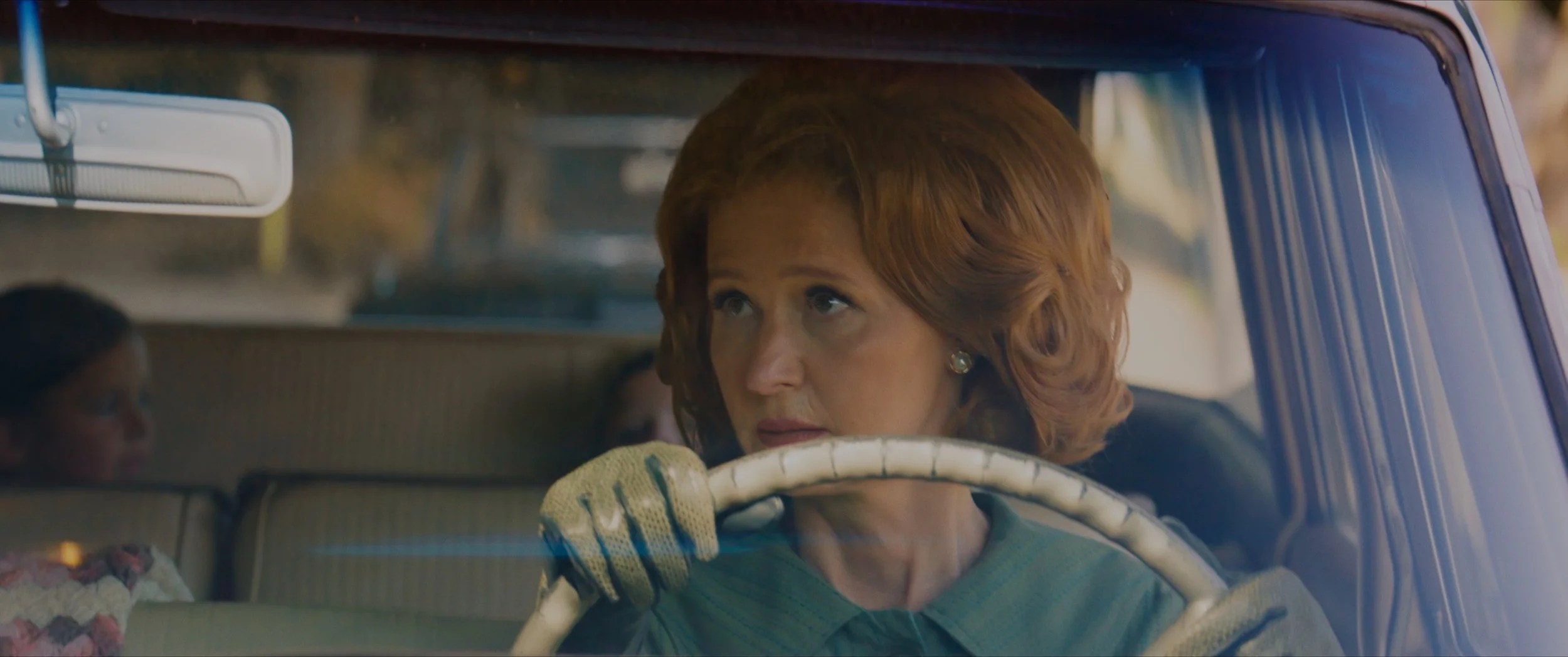
On a warm November afternoon in 1963, Liz (Amber Paul) collects the children for her weekly school carpool. Then news breaks that President John F. Kennedy has been assassinated. Inspired by a little-known episode from that day, writer-director David Arrow follows a mother whose immediate concern is the children in her care. Two-time Oscar nominee Emily Watson serves as executive producer.
A carpool is an ordinary act of trust. Other parents count on Liz to get their children home safely, and the children count on her to know what to do. The country has received terrible news. Liz still has to decide where to drive.
Unauthorised Absence — The work of being believed
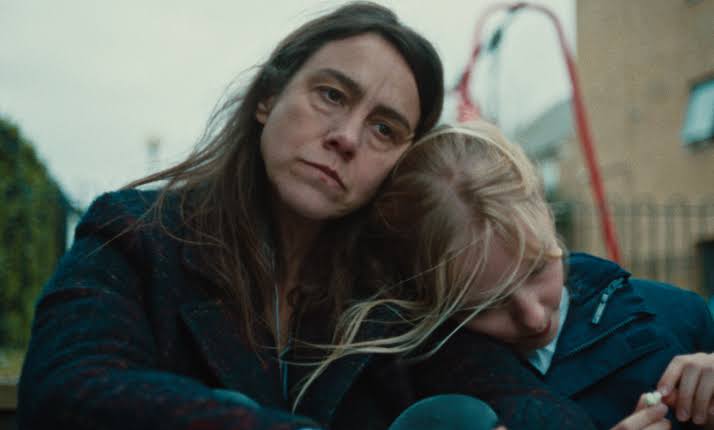
Anna (Emily Bruni) sees how hard it is for her nine-year-old daughter, Thea (Beatrice Flaherty), to get through the morning. The attendance record shows another missed day. As the threat of fines and prosecution grows, Anna has to keep making the case for support while caring for a child in distress.
Directed by Georgia Parris, written by Jo Clayton and developed and produced by Natalie Lauren, the British short stays close to the daily life behind the attendance figures. Anna Maxwell Martin voices a character and makes her executive producing debut. The film asks what might change for families like Anna’s if the first question were what a child needs to get back into the classroom.
Pankaja — Searching with a daughter at your side
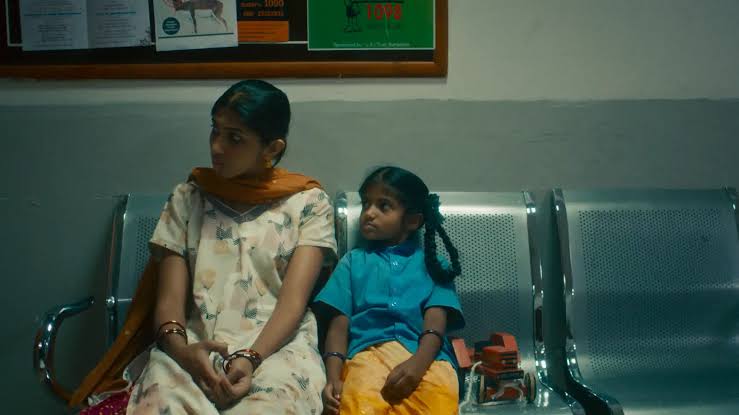
In writer-director Anooya Swamy’s Pankaja, a woman and her daughter, Lalli, cross Bengaluru in search of her missing husband. Their journey takes them through the city’s informal settlements and into encounters with its bureaucracy. Harshini Boyalla plays Pankaja opposite Padmashree G. as Lalli. The film premiered at Sundance and won Best Student U.S. Short at Palm Springs ShortFest.
Lalli sees her mother’s uncertainty as well as her determination. Her presence changes the weight of each unanswered question. Pankaja has to work out where to go next while her daughter is still waiting to hear what she knows.
Mine for a Moment — Grief and the limits of compassion
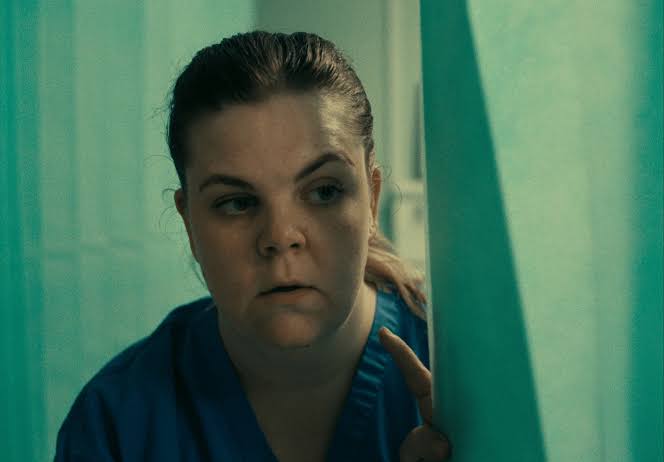
After another miscarriage, Cheryl (Gina Fillingham) leads her husband, Darren (Celyn Jones), to believe she is still pregnant. As the deception becomes harder to sustain, she disguises herself as a nurse, enters a maternity ward and takes a newborn. Inspired by real events, Kristian Lever’s British short won Best International at LA Shorts and the Short Film award at Carmarthen Bay Film Festival, qualifying for Oscar and BAFTA consideration.
Cheryl keeps her grief private by inventing a version of her life in which the pregnancy continues. When that fiction causes real harm to another family, Lever keeps her pain in view. The film asks how much sympathy can survive knowing what she has done.
Vital — The price of keeping a child alive
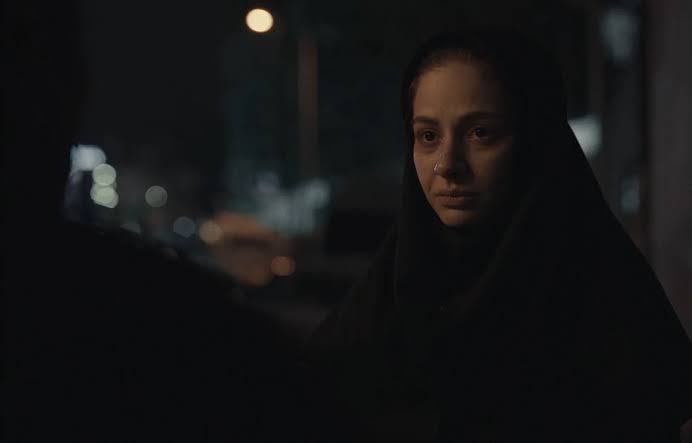
In Iran, Fereshteh (Mahtab Servati) considers selling her own organs to pay for her gravely ill daughter’s treatment. In the United States, Iranian-American physician Dariush Yazdani (Reza Akhlaghirad) faces the prospect that his daughter may die waiting for a transplant through legal channels. Iranian-Canadian director Amir Zargara, who co-wrote the film with Gabe Berry, brings their stories together through the organ trade.
Both parents are short of time. Dariush understands the medical system from the inside. Fereshteh weighs what she can sell of her own body to pay for care. Placing their decisions side by side shows how much a parent’s choices depend on where they live and what they can afford.
I Will Be Alright — A mother’s fight to keep her daughter safe
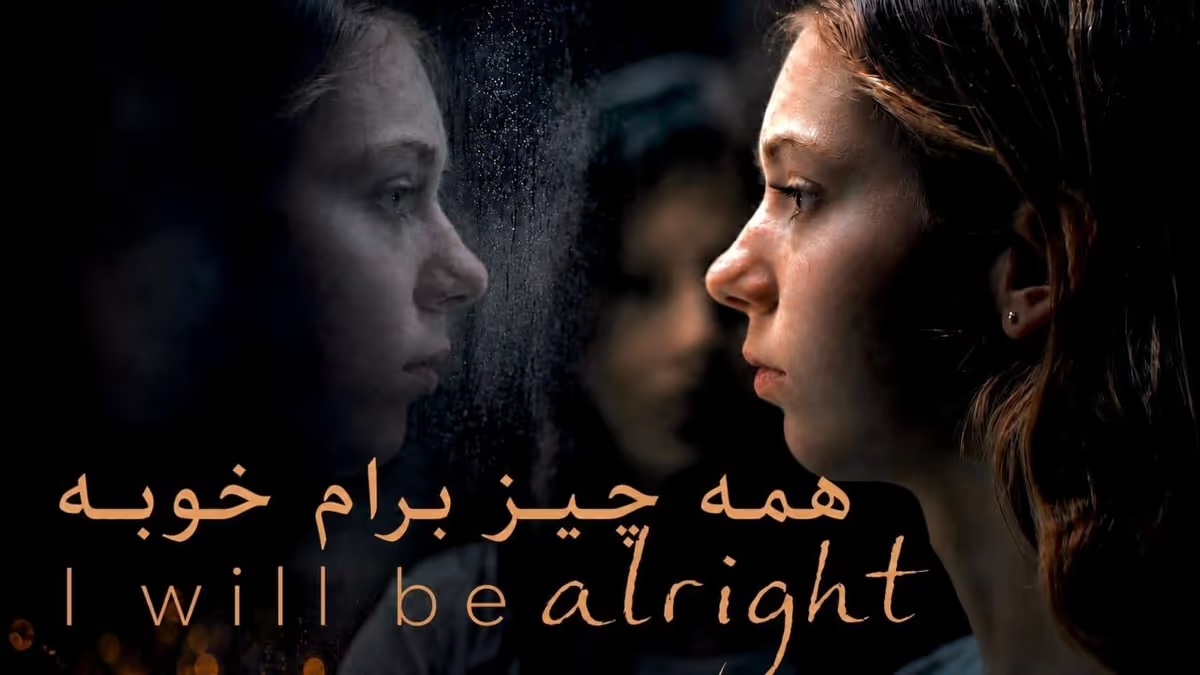
In Cyrus Neshvad’s drama, sixteen-year-old Laïla (Tanaz Molaei) earns money posing as the Statue of Liberty in a Luxembourg square while facing deportation to Iran. Her mother (Toufan Manoutcheri) is prepared to make an extraordinary sacrifice to give her daughter a chance to remain free. Neshvad, previously Oscar-nominated for The Red Suitcase, qualified for the 99th Academy Awards when I Will Be Alright won Best of the Fest at LA Shorts.
The opening captures the difference between the freedom Laïla performs and the freedom she has. A child in the square can hold a mother’s hand and walk on. Laïla and her mother have to watch for the police. That small detail gives the film’s larger question about sanctuary an intimate shape. What does it take for a mother and daughter to feel safe enough to stop looking over their shoulders?
Never Give Up! — The words a child carries
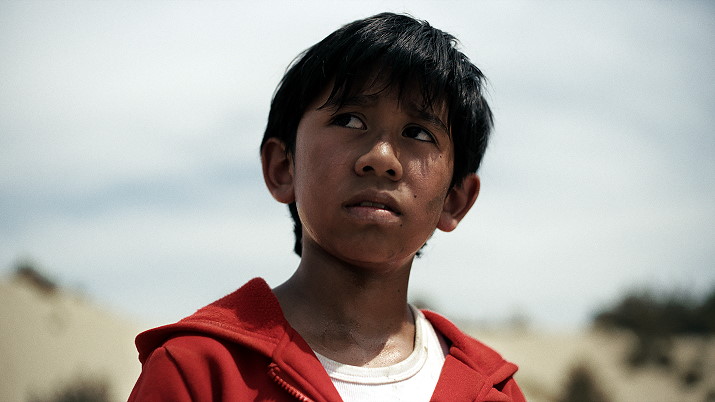
A deadly border crossing separates a young boy (José María Gómez “Chema”) from his mother (Ariana Lebrón) in Tamás Yvan Topolánszky’s survival drama. Alone in the desert with a damaged phone, the boy hears a familiar phrase in an old motivational video. He knows nothing about the man saying it. He knows the words because his mother taught them to him. Matthew Modine and Adam Rackoff are among the executive producers.
The film returns us to the separation that opens Without Kelly, this time from the child’s side. Esther spends the night searching for the reassurance of touch. The boy hears a stranger repeat an ordinary phrase and remembers how it felt when his mother said it. He knows her voice well enough to hear it in someone else’s.
odessa — a family at the mercy of strangers
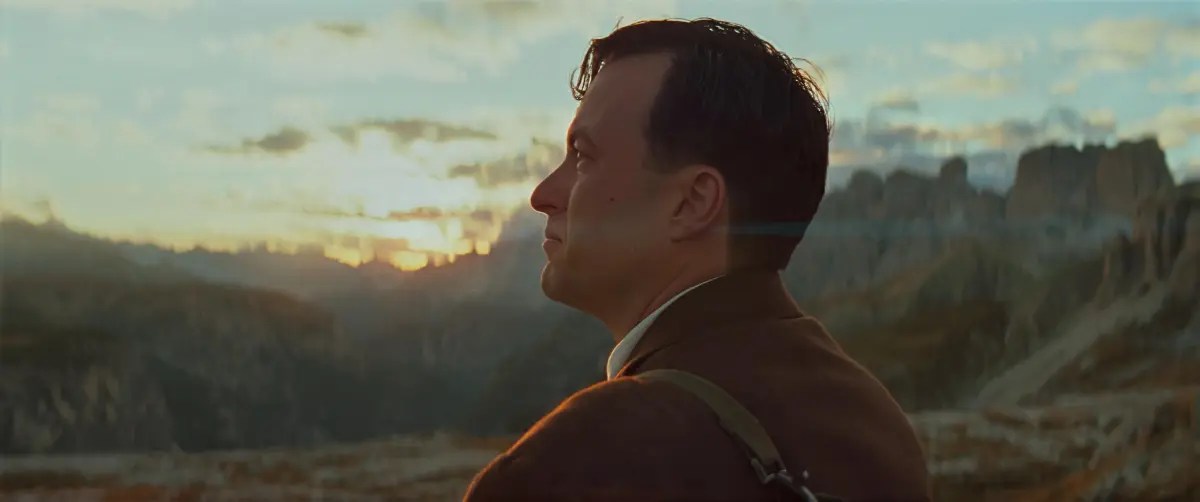
Against the backdrop of World War II, Irene (Magdalena Müller) and Josef (Bastian Beyer) cross the Dolomites with their young son, Rolf, in search of safety. An act of kindness offers them a chance at refuge, but suspicion soon closes in. Director Harald Swinkels shot the Oscar-qualified short on 35mm in the Austrian-Italian Dolomites. Rianne Beenesproduced the film, with Damian Lewis serving as executive producer.
With Rolf beside them, the parents’ need for shelter feels urgent. Swinkels lets us share that urgency before a revelation asks us to revisit the trust we’ve placed in the family. The boy’s vulnerability remains, even as our understanding of the adults responsible for him changes.


Leave a Reply