Cilicy Dean
From a fading pop star chasing his former glory to an Iranian teenager fighting to keep the life she’s begun to build, these shorts explore what happens when the thing we want most is beyond our control.
Longing can send someone back to a city they barely know or keep two childhood friends circling a conversation they’ve avoided for years. It can sound like a pop song in Belfast or a jazz performance in a new country. Across these seven shorts, the feeling takes different forms: a desire to be remembered, to make a living, to hold on to a friendship or simply to stay somewhere safe. What gives each film its tension is the distance between what its characters want and what the world is prepared to give them.
Nostalgie — The longing to be remembered
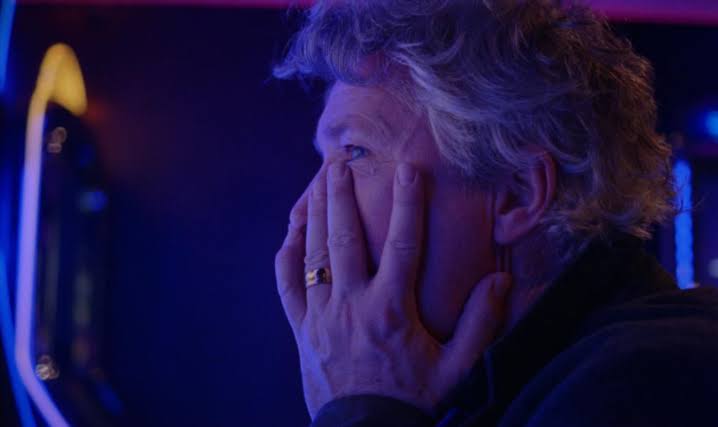
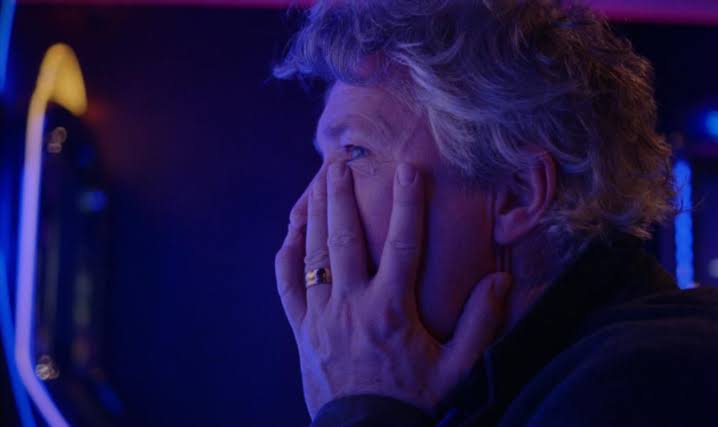
Aidan Gillen plays Drew Lord Haig, a washed-up 1980s pop star who accepts an invitation to perform at a centenary celebration in Belfast, hoping for another taste of his glory days. He arrives to find that a song he’d all but forgotten has become an anthem in a city he barely understands. For a man who wants to be remembered, it’s an awkward triumph: the audience kept the song alive and gave it a meaning he never intended.
Belfast-born director Kathryn Ferguson uses that predicament to examine who gets to decide what the past means in a city still shaped by it. Original songs and a score by Bastille’s Dan Smith make Drew’s former career feel plausible, which gives the joke its sting. Adapted by Stacey Gregg from a Wendy Erskine story and shot by Robbie Ryan, the Oscar-qualified short earned a BAFTA nomination and won the IFTA for Best Live Action Short Film.
Magid / Zafar — The longing to hold on to a friendship
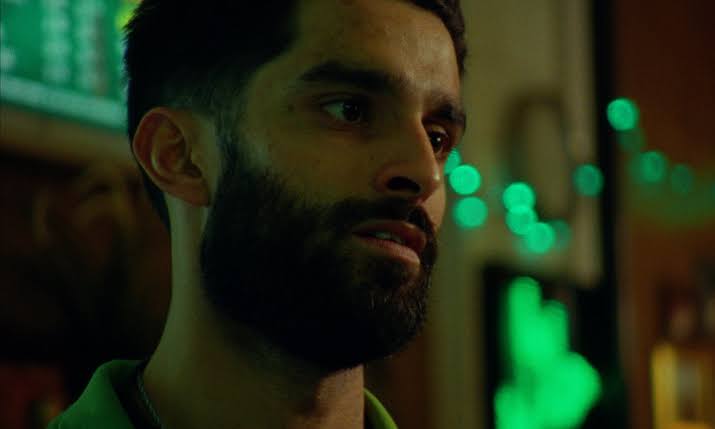
In Luís Hindman’s Magid / Zafar, two childhood friends spend a sweltering night working in a British Pakistani takeaway. The demands of the kitchen bring old tensions to the surface as the men, played by Eben Figueiredo and Gurjeet Singh, confront the possibility that their lives are moving in different directions. The setting makes their predicament particularly intimate. They still know how to work side by side, even as it becomes harder to talk about what they mean to each other.
Co-written by Hindman and Sufiyaan Salam, the film gives questions of class and South Asian masculinity the specificity of a friendship with years of history behind it. Its ache comes from the possibility that growing into the person you want to become might change your place in the life of someone who has known you since childhood. The Oscar-qualified short won Best British Short Film at the BIFAs and earned a BAFTA nomination.
Getar Hero — The longing to keep a dream alive
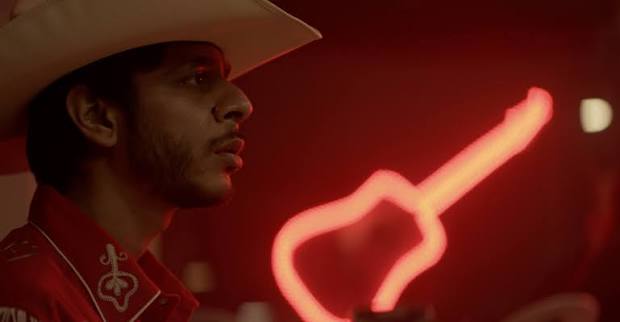
A cowboy arrives in Mumbai and promptly loses his guitar and wallet. In Teddy Stern’s Getar Hero, that setup sends Shashank Arora’s character into the city’s neon-lit underworld, where getting his belongings back becomes a matter of salvaging whatever future he came to pursue. For a man whose identity is bound up in the part he plays, the missing guitar leaves him without a crucial piece of the performance.
Directed by Stern and produced by Sneha Mehta, the creative duo behind Sneddy, the Tribeca short brings Bollywood musicality to the mythology of the American Western. Mumbai puts the genre’s faith in the solitary hero under pressure. The cowboy is trying to get by in a city where his survival depends on other people, and where the image he has of himself counts for very little. The film finds humour in that mismatch and vulnerability in his determination to carry on.
I Am the Prize — The longing to be admired
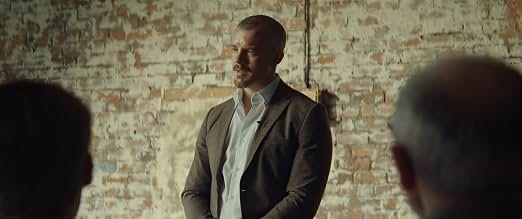
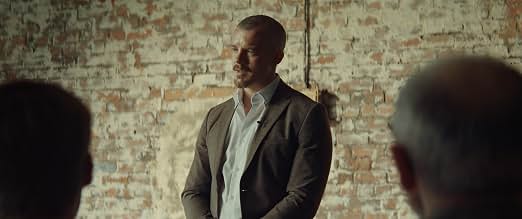
Russell Tovey plays Anthony Selvon, a charismatic self-help figure whose lecture tour begins to unravel when details of his private life become public. In Sai Karan Talwar’s I Am the Prize, Anthony has built a career selling certainty to people who want more control over their lives. When his authority comes under scrutiny, his own dependence on an audience becomes part of the story.
Talwar finds a sharp subject in the exchange between a guru and his followers. The audience wants a version of confidence it can learn to imitate, while Anthony needs people to keep believing he has mastered it. That mutual need gives the film’s examination of masculinity and influence its bite. Co-starring Faith Alabi, the Oscar-qualified short was nominated for Best UK Short at Raindance and won Best Performance at HollyShorts.
Vultures — The longing for a secure livelihood
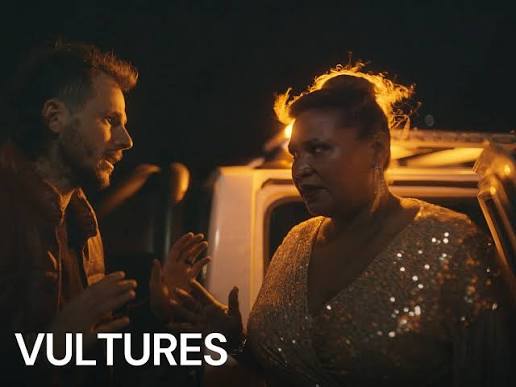
Dian Weys’ South African thriller takes place in the minutes after a road accident, as a tow truck driver fights to protect his claim to the wreck before the authorities arrive. Weys drew on real incidents and his own encounters with tow truck drivers after accidents. In the world the film depicts, reaching a crash first can mean securing a job, and another person’s emergency becomes a source of income.
The driver’s desperation gives Vultures an uneasy place in a story about longing. His desire for financial security is ordinary, but the conditions under which he has to pursue it put compassion at a cost. As the situation escalates, Weys asks how much someone can afford to risk for a stranger when their own livelihood already feels precarious. The film competed at Cannes, where it won the Unifrance Short Film Grand Prix, and qualified for Oscar consideration with its HollyShorts win.
Jazz Infernal — The longing for somewhere to call home
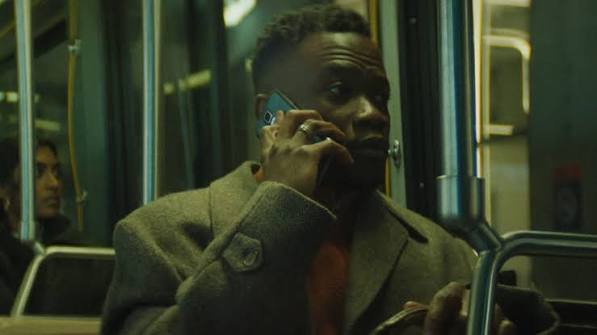
In Jazz Infernal, filmmaker Will Niava uses rhythm and performance to explore migration, grief and the bond between a father and son. Co-written with Kristelle Laroche, the film approaches displacement from a Canadian-Ivorian perspective, with African identity at the centre of its story. The desire to belong in a new country sits alongside the ties and memories that travel with you.
Jazz gives Niava a way to express the parts of that experience that are difficult to put into words. The music shapes the film’s tension and gives grief a form, while the father-son relationship grounds its larger questions about home in an intimate connection. After premiering at TIFF, Jazz Infernal won the Sundance Short Film Jury Award for International Fiction and was named to TIFF’s Canada’s Top Ten.
I Will Be Alright — The longing to stay
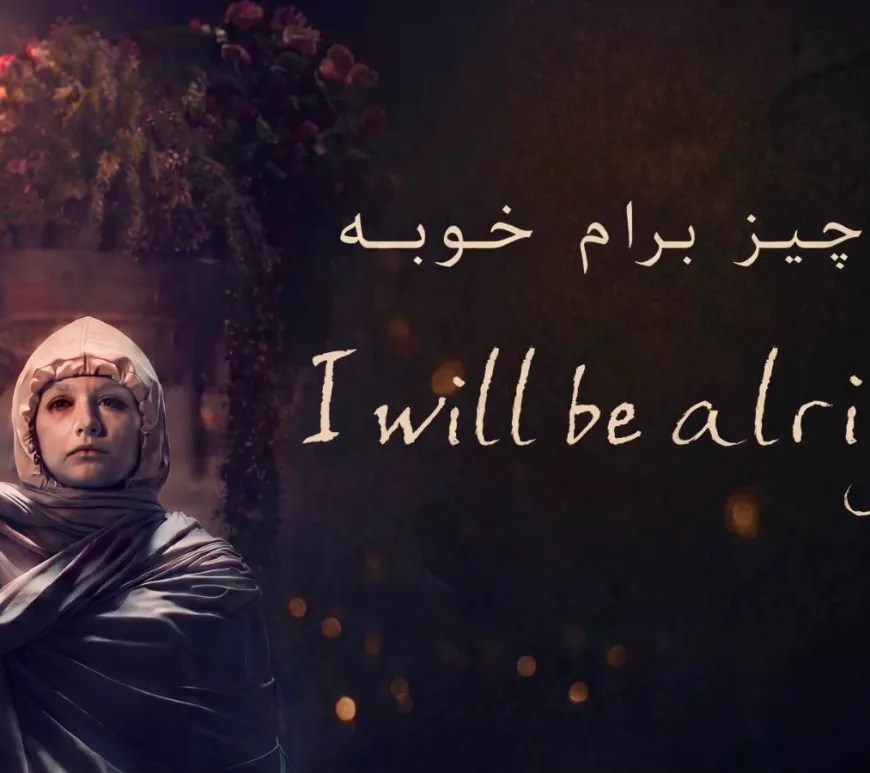
Laïla, the 16-year-old Iranian refugee at the centre of Cyrus Neshvad’s I Will Be Alright, works dressed as the Statue of Liberty while facing deportation to the country she fled. It’s a stark image of conditional freedom. Every day, she wears a symbol of welcome as she waits to learn whether the country she hoped would offer her safety will let her remain.
Neshvad, who moved from Iran to Luxembourg at the age of five, keeps the story close to Laïla and the human connections that can sustain her while institutions decide her future. The short marks his return to the Oscar race following his nomination for The Red Suitcase and qualified after winning Best of the Fest at LA Shorts. Of all the desires these films explore, Laïla’s is the most immediate. She wants to be safe, and she wants to know she can stay.


Leave a Reply