Cilicy Dean
From a boy stranded at the US–Mexico border to a young Jamaican finding refuge in a Rastafarian community, nine short films ask what children learn from the adults who are supposed to protect them.
Arts Muse Magazine
A boy alone in the desert hears his mother’s words in a stranger’s voice. A girl searches Bengaluru with her mother for a father who hasn’t come home. In the English Channel, a child is pulled from the water by the very people his father set out to confront.
Eight of the films featured here have qualified for consideration at the 99th Academy Awards, joined by Hayden Mclean’s FarEye, which screened at the BFI London Film Festival. Across period drama, psychological thriller and animated musical, they return to a question that can be uncomfortable for adults. What do children learn from what we do when they’re watching?
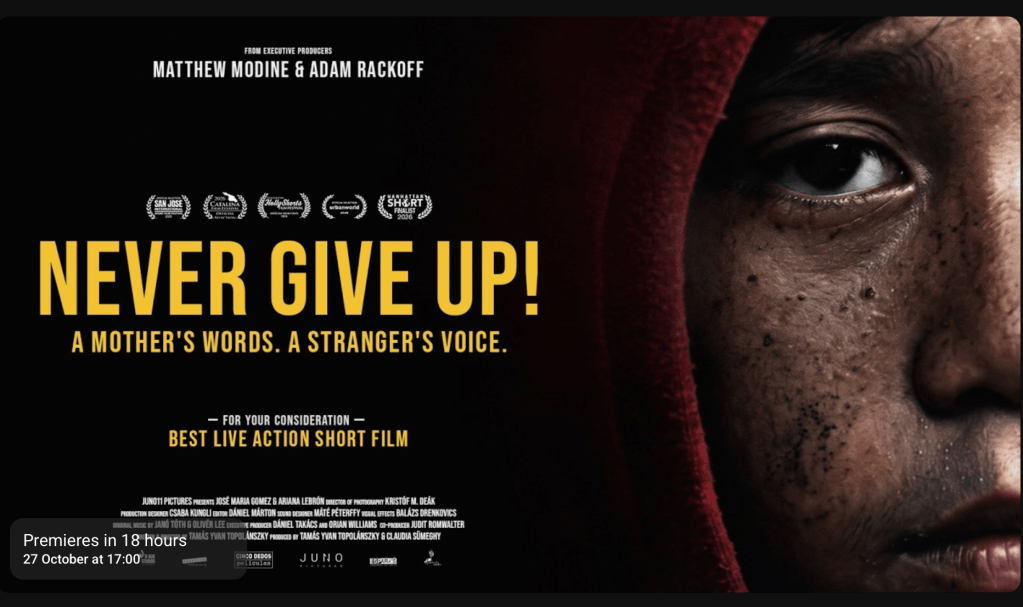
Never Give Up! | A mother’s words outlast the crossing
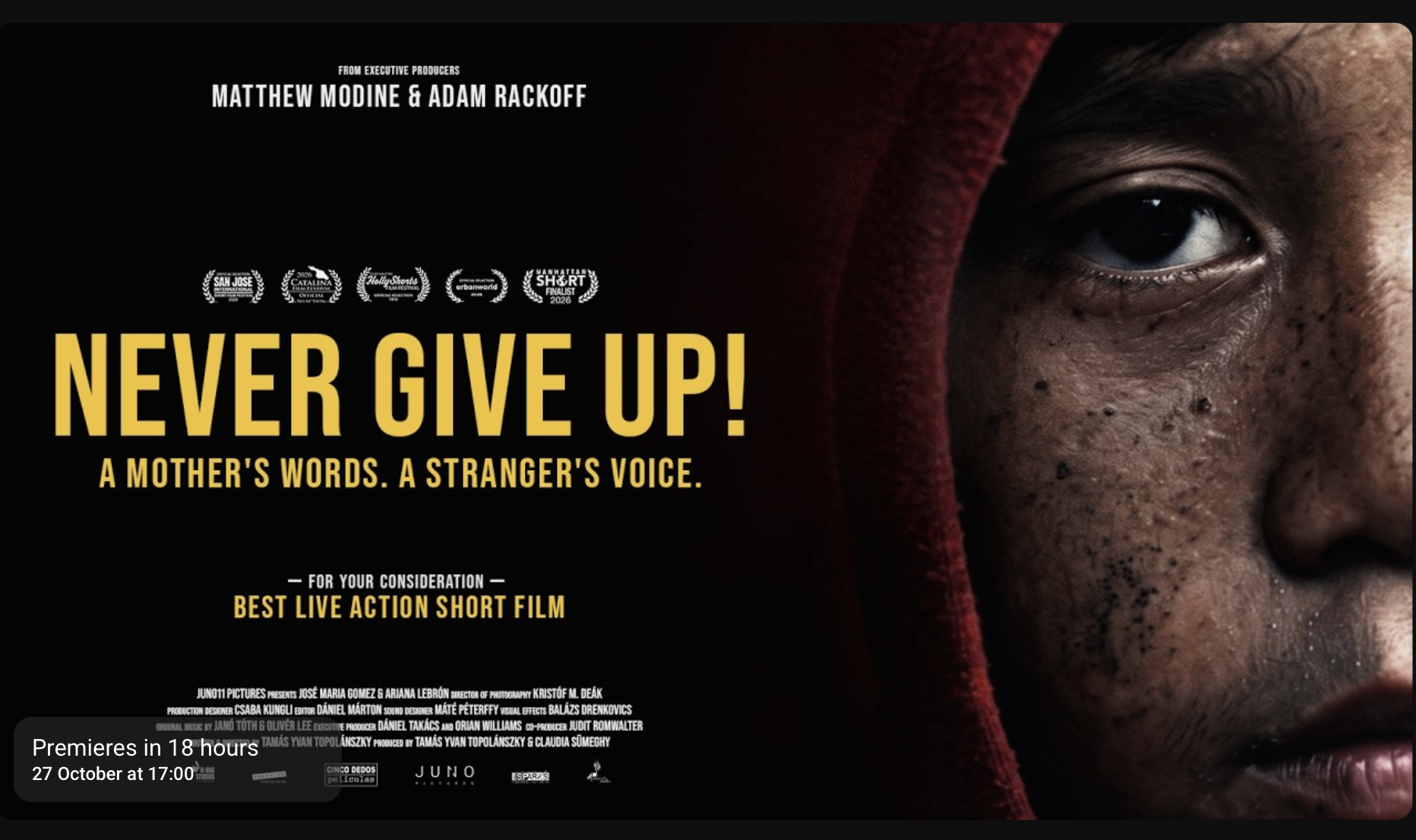
After a deadly crossing at the US–Mexico border separates a young boy from his mother, he is left alone in the desert with a damaged phone. As exhaustion sets in, an old motivational video repeats the words she taught him. “Never give up.” He has no idea who the man on the screen is. It’s his mother he hears in those three words.
Writer-director Tamás Yvan Topolánszky first conceived the film during the 2015 refugee crisis in Budapest. Nine-year-old Mexican newcomer José María Gómez “Chema” makes his screen debut opposite Ariana Lebrón as his mother. Their bond gives the survival story its most affecting detail. The phrase that keeps him going matters because he remembers who said it first. Watch the official trailer
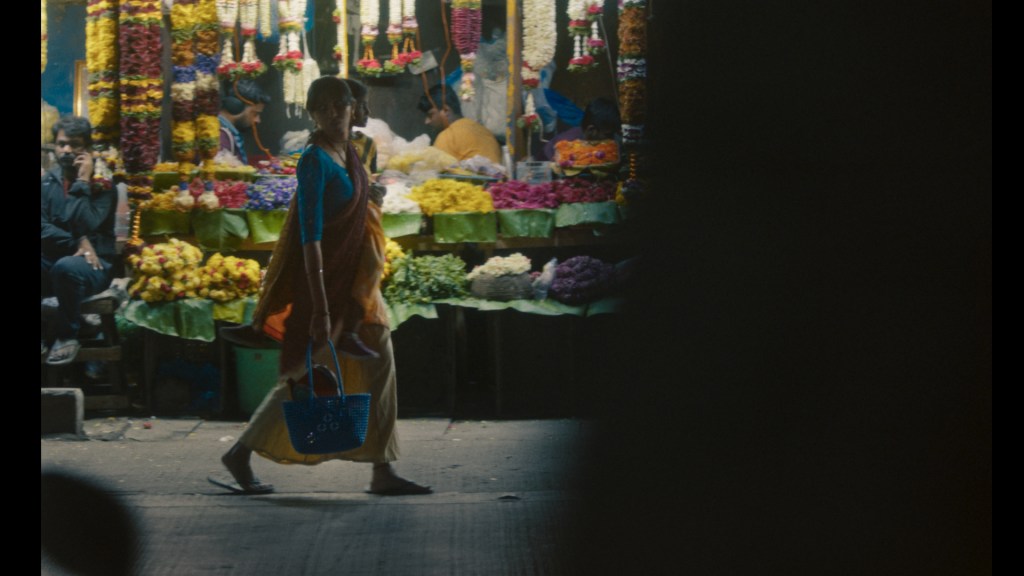
Pankaja | A daughter searches for her father
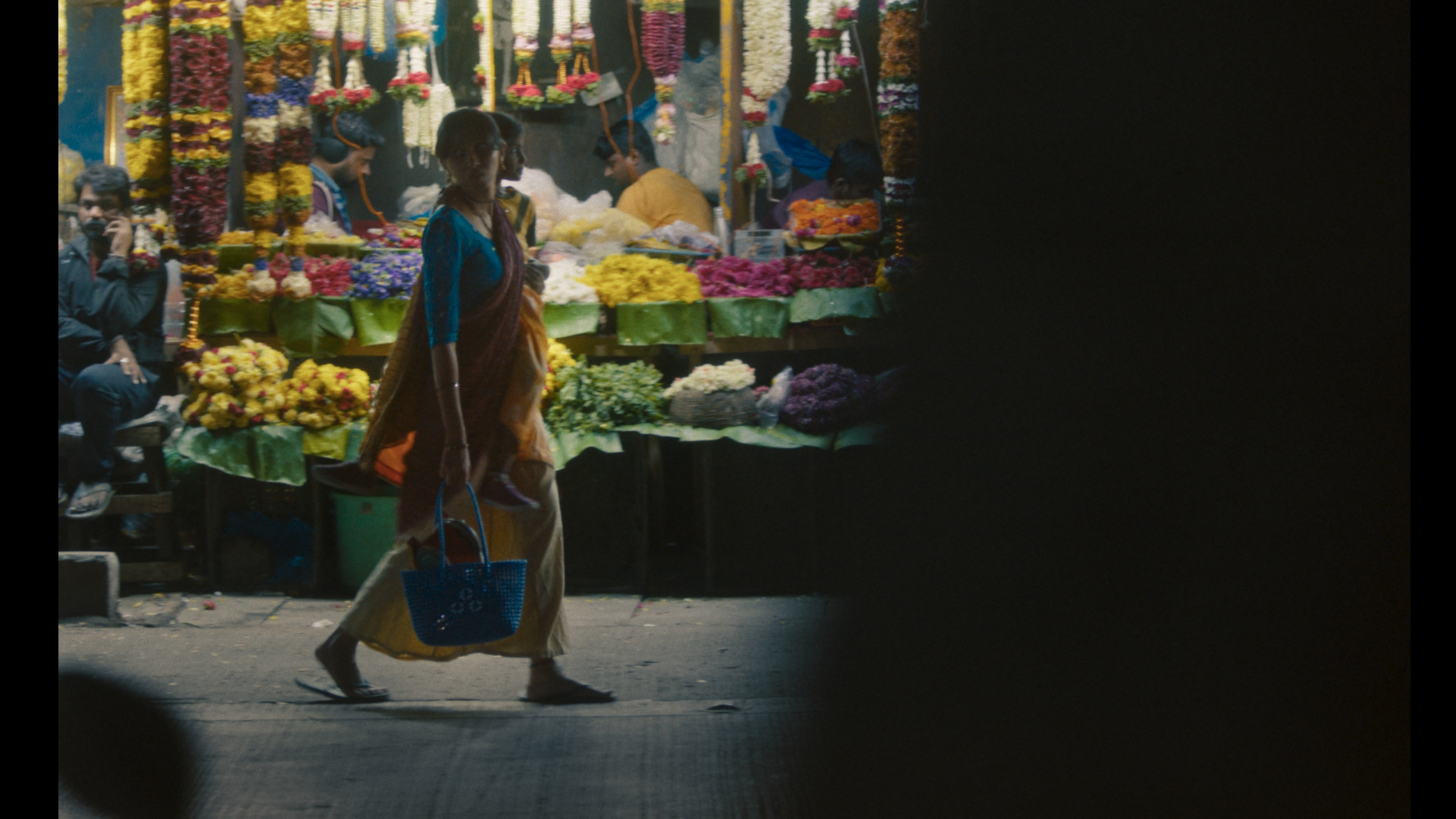
In Anooya Swamy’s Kannada-language debut, Pankaja (Harshini Boyalla) and her young daughter Lalli (Padmashree G) search Bengaluru for Pankaja’s missing husband. Lalli wants her father home. For Pankaja, the search brings questions about her marriage into the open, even as she tries to protect her daughter from what they might learn.
Swamy makes the cost of insecure work tangible in the time and effort it takes a family simply to find out what happened. Boyalla gives Pankaja a resolve that allows room for doubt, while Padmashree G brings a watchful warmth to Lalli in her screen debut. Following its Sundance premiere, Pankaja won Best Live Action Short at Raindance and student awards at Palm Springs International ShortFest and HollyShorts.
FarEye | A boy finds refuge in rural Jamaica
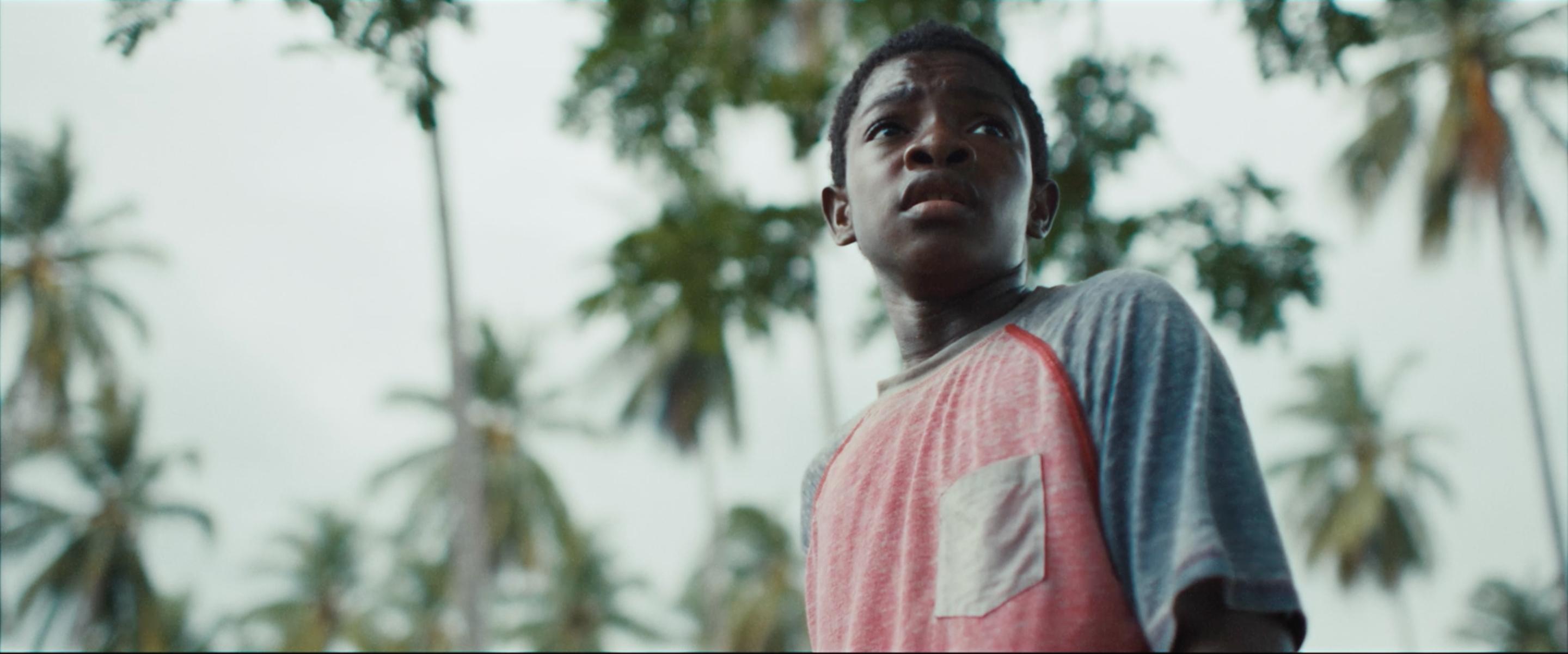
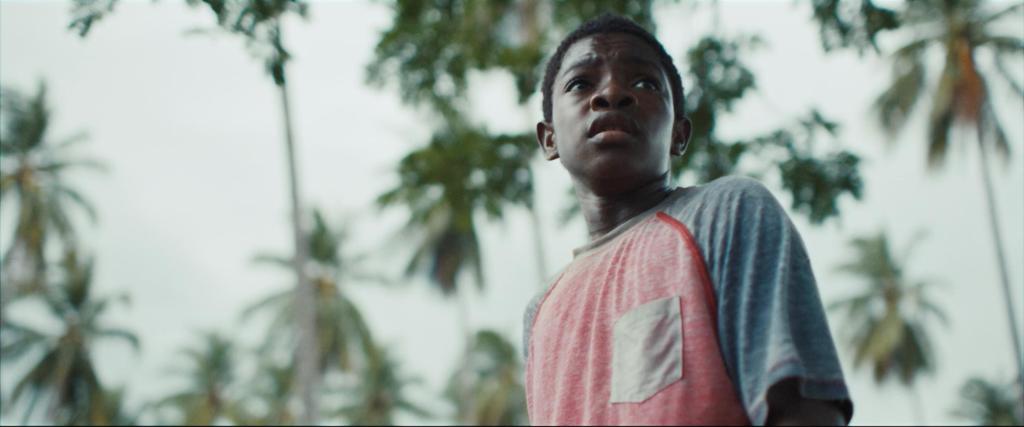
Khalil (Djamari Roberts) flees an abusive home and finds shelter in a secluded Rastafarian community in rural Jamaica. Through music, faith and the relationships he builds with the people who take him in, he begins to imagine a life beyond the one he left. British-Jamaican writer-director Hayden Mclean gives that spiritual awakening room to unfold, finding its quietest moments in the everyday experience of being welcomed and cared for.
Mclean shot the independently financed short entirely in Jamaica with a predominantly Jamaican cast and crew. Roberts stars alongside two-time Grammy-nominated reggae artist Jesse Royal in his screen acting debut. After screenings at Raindance, HollyShorts and Palm Springs International ShortFest, FarEye screened in the BFI London Film Festival’s Altered States programme. “My hope is that FarEye contributes, even in a small way, to a richer cinematic language for the Caribbean, and to a tide turning in the recognition of Caribbean stories,” says Mclean.
Agnès | An ordinary errand changes everything
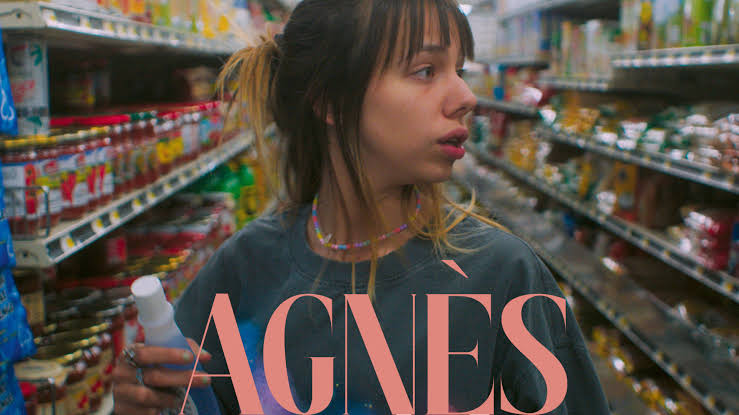
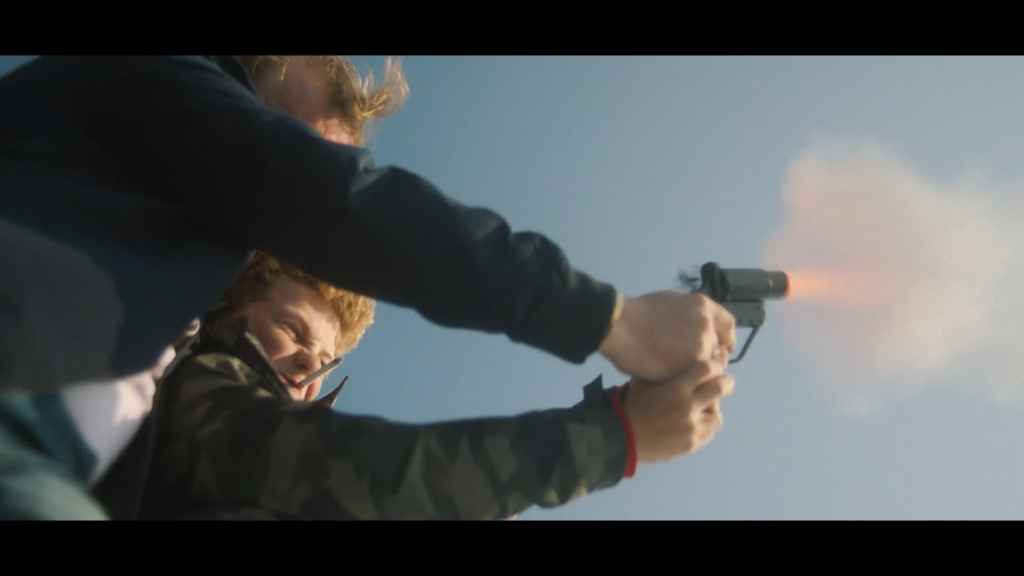
Kim Higelin plays a young French actress juggling babysitting with the work of building a career in Los Angeles. A routine supermarket stop puts her in the middle of a shooting. Director and co-writer Nora Arnezeder drew on an incident involving a friend who stopped at a liquor store on her way to the filmmaker’s home. Minutes later, Arnezeder learned there had been a shooting at the same store. The film holds on to the frightening ordinariness of a quick stop on the way somewhere else.
Arnezeder stays with the people caught up in the violence. When Agnès’s instinct to survive becomes an impulse to protect someone else, the film asks what care looks like in the seconds before anyone has time to think. Shot in Pasadena and West Hollywood and produced by Nolita, Agnès won the Oscar-qualifying Best Live-Action Short Film award at Santa Barbara, received an honourable mention at Salute Your Shorts and took home two prizes at France’s Côté Court festival.
Vital | Two daughters and the price of care
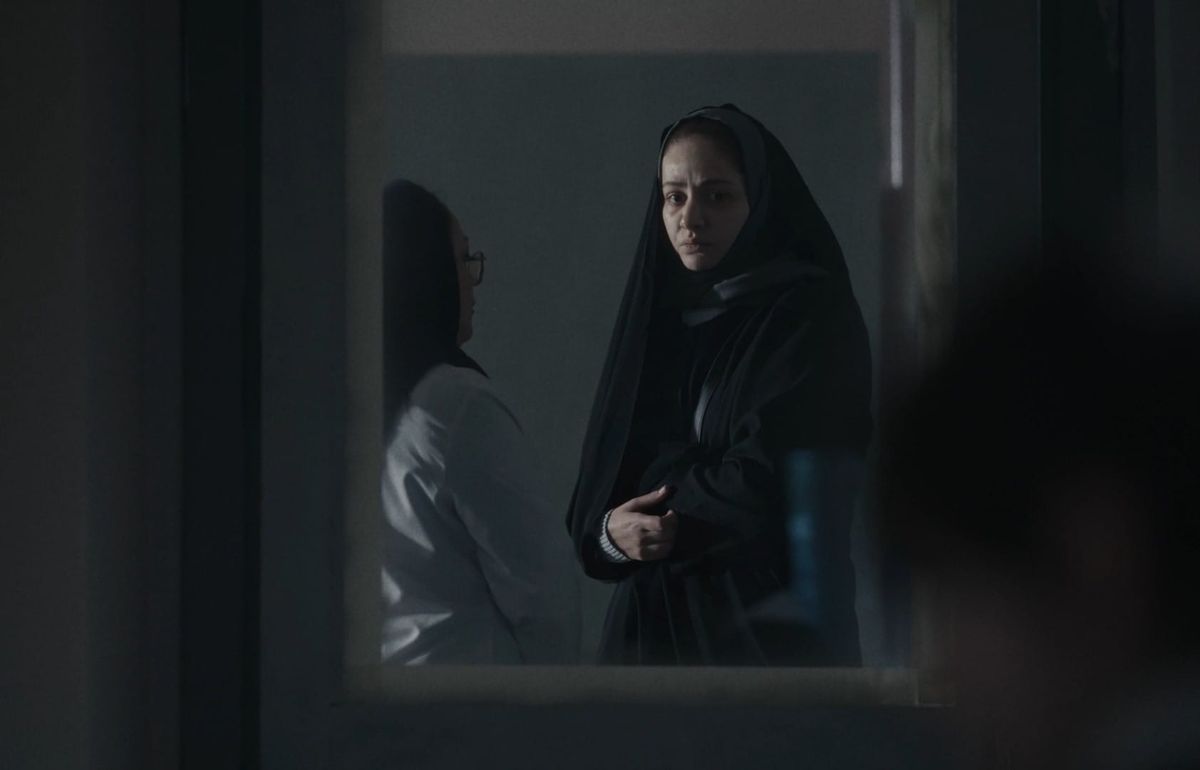
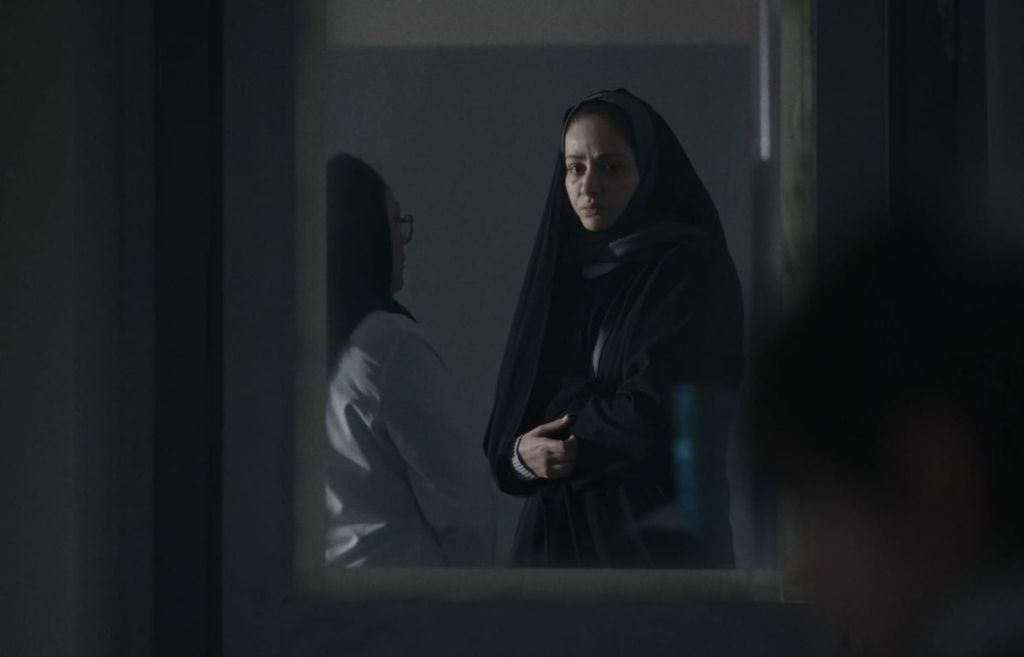
In Iran, single mother Fereshteh (Mahtab Servati) considers selling her own organs to pay for her gravely ill daughter’s treatment. In the United States, Iranian-American physician Dr Dariush Yazdani (Reza Akhlaghirad) weighs what he’s prepared to do if his daughter can’t get a transplant through legal channels.
Amir Zargara’s parallel stories bring the organ trade down to the scale of two families. Fereshteh may have to put her own health at risk to pay for care. Dariush knows the medical system from the inside and may still run out of time. Both parents know what their daughters need. The harder question is who will bear the cost of getting it.
Odessa | A family on the run tests our trust
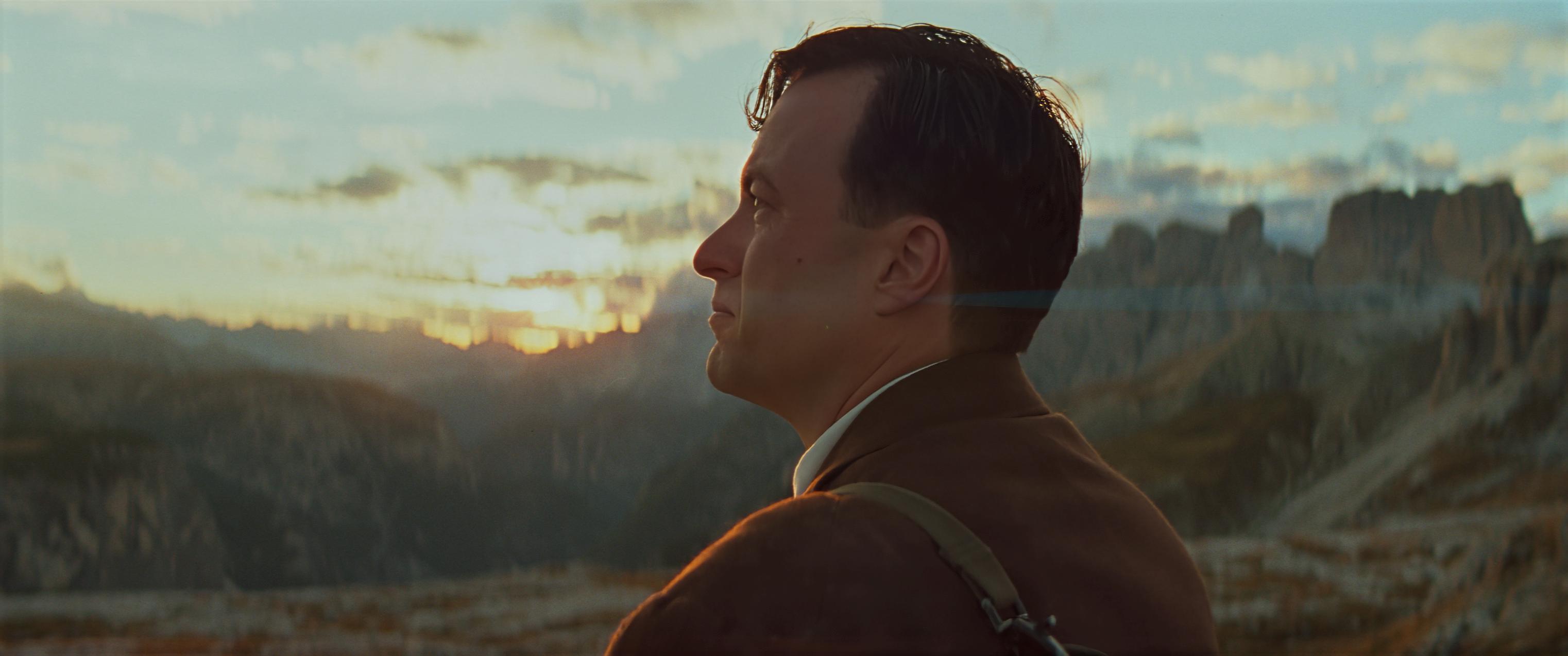
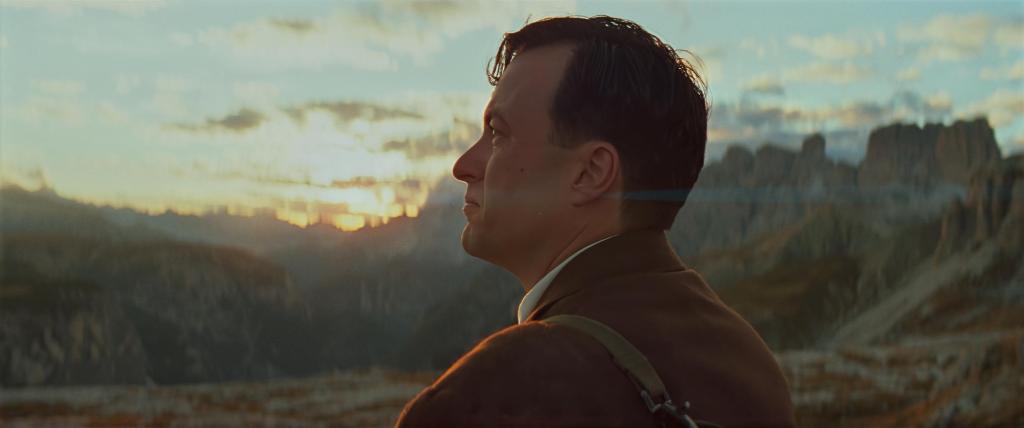
Shot on 35mm in the Austrian–Italian Dolomites, Harald Swinkels’ period drama follows Josef (Bastian Beyer), Irene (Magdalena Müller) and their young son Rolf as they flee across the mountains in the shadow of World War II. Their need for shelter is immediate, and the sight of a child on the run makes it easy to understand why a stranger might take them in. Then a revelation changes how we read the family.
“History has taught us, time and time again, that monsters don’t come dressed as monsters,” says Swinkels. The film’s most unsettling move is to let our concern for Rolf shape what we assume about the adults beside him. Even after the revelation, that concern remains, making the family harder to reckon with.
Rule, Britannia | A boy caught up in his father’s politics
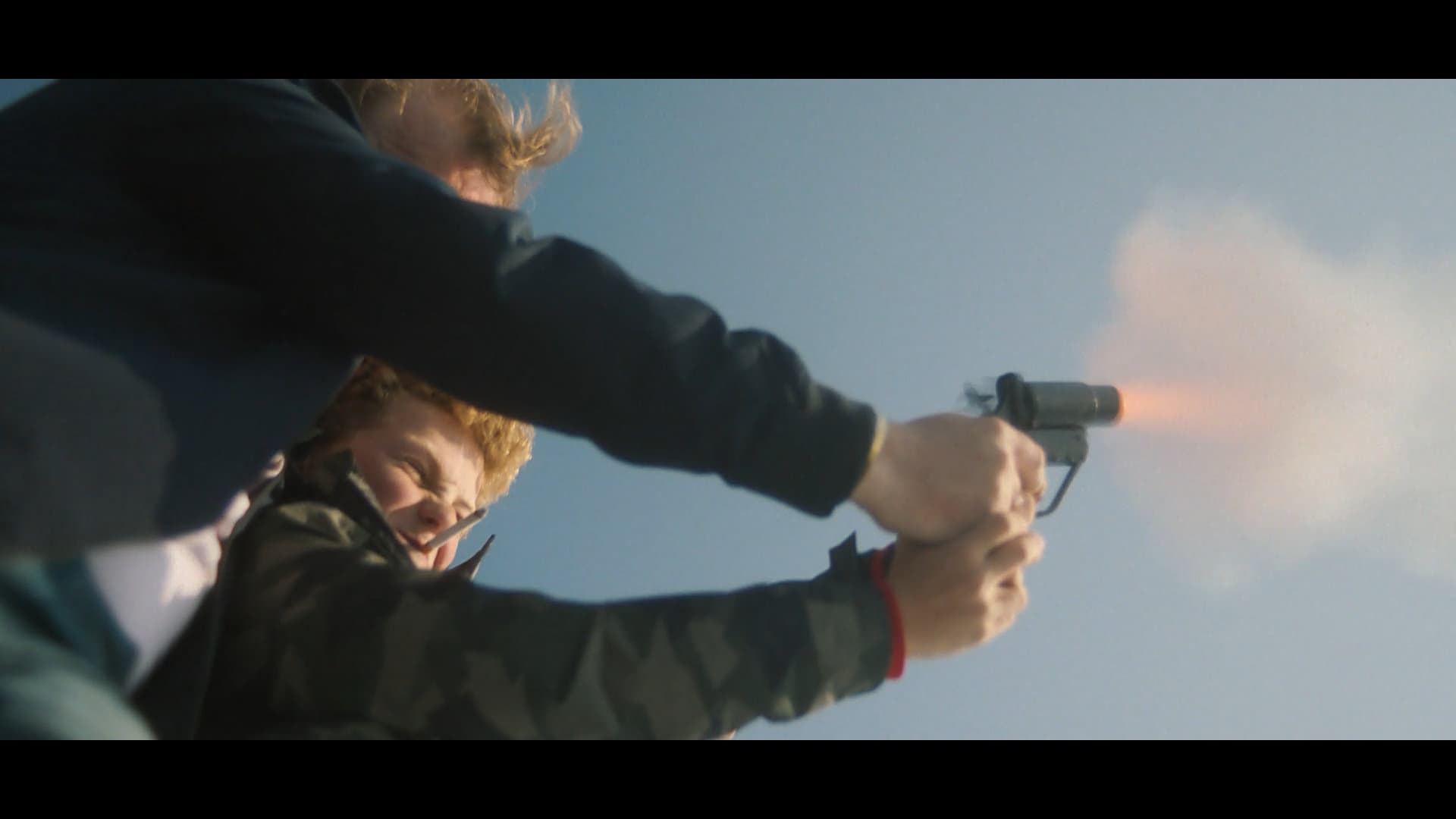
Two brothers steal a fishing boat and head into the English Channel to intercept a refugee dinghy. One brings his son. When their boat sinks, the people they set out to stop pull them aboard. Max Fisher’s Oscar- and BAFTA-qualifying short opens with a child in distress in the water, making the cost of the brothers’ bravado apparent from the first moments.
The boy has no say in why he’s out there, yet he has the clearest view of what happens when the men who brought him need help. The question that outlasts the rescue is what he’ll carry home from that day. His father has shown him who to fear, and the people in the dinghy have shown him what they’re willing to do for a stranger.
Mary Is Missing | Who gets to tell the story?
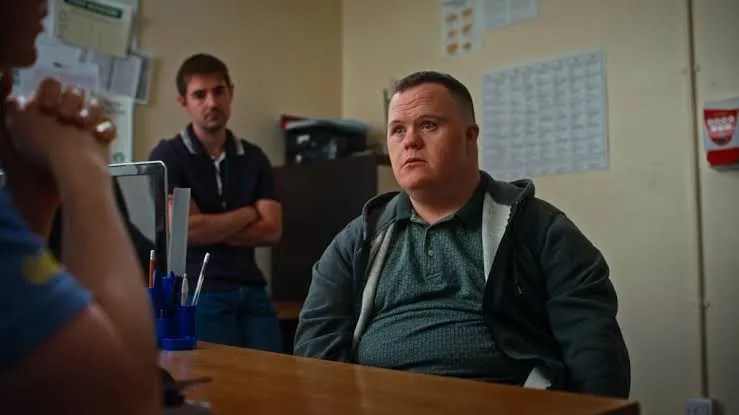
When a care worker disappears from the Yellow Tree Day Service, Garda Foley (Lloyd Cooney) turns to the attendees who last saw her. Their accounts contradict one another and take increasingly fantastical turns. As the investigation unfolds, Aisling Byrne’s Irish psychological thriller asks what makes an account sound credible and how much of that judgment rests on who’s speaking.
Oscar-nominated actor Paul Mescal, who grew up in Maynooth, where the film was created, has joined as executive producer. “It’s bold, surprising and unlike anything else I’ve seen,” says Mescal. Thirteen of the 19 cast members are artists with intellectual disabilities, and members of the ensemble helped develop the characters and story through a 12-week writers’ room hosted by Run of the Mill. The people whose accounts are scrutinised on screen helped decide how the story would be told.
Addicted to It | Mel Brooks voices a phone that won’t let go
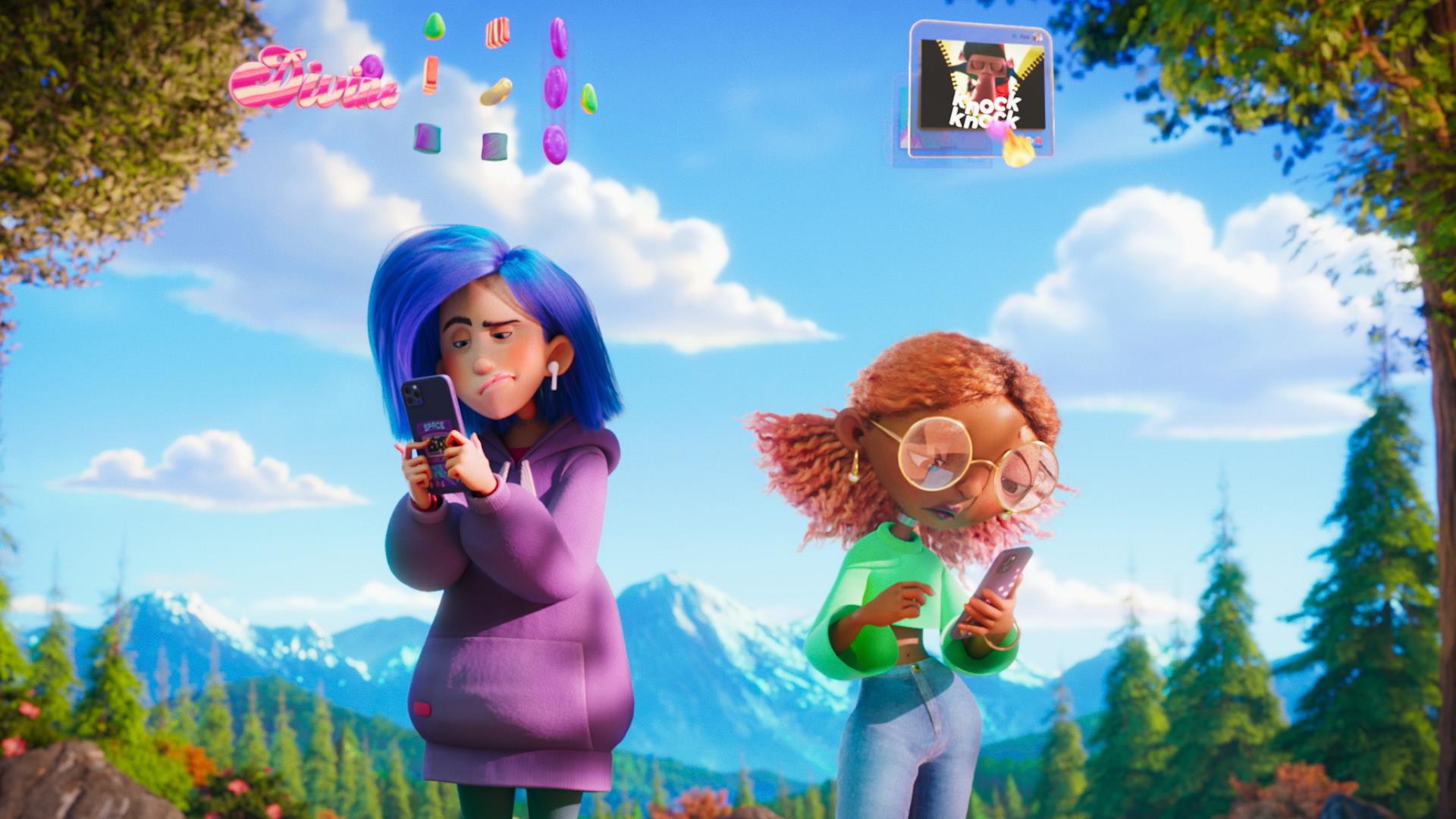
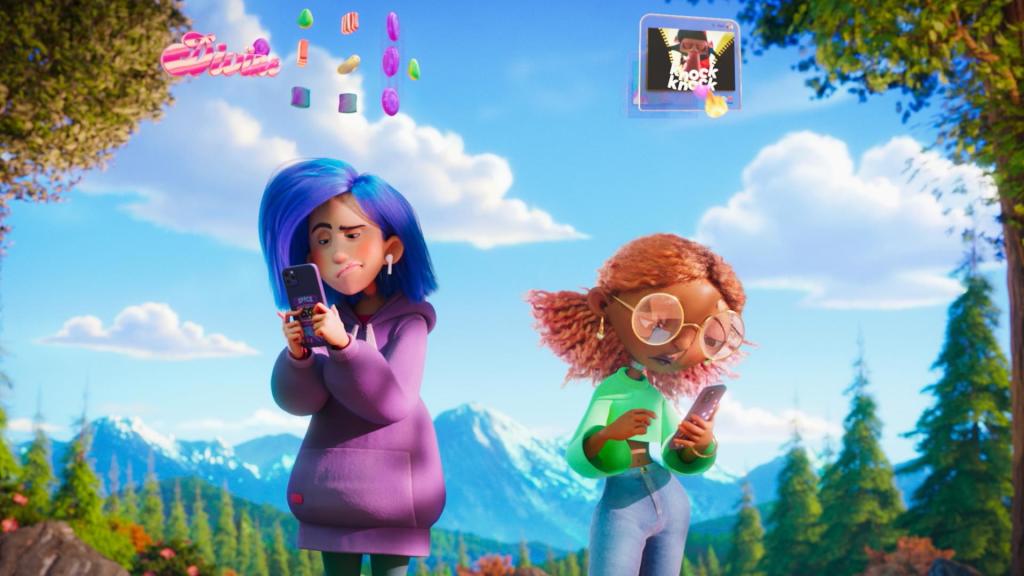
Dace wants to take a five-to-ten-minute walk without his phone. Phoney Bunny, voiced by Mel Brooks, sings and schemes to stay within reach. In Nigel Tierney and Federico Heller’s animated musical, written for children and adults, the joke turns on a moment both can recognise. You decide to put your phone down and immediately think of a reason to pick it back up.
Tony Award winner Jeff Marx, who co-wrote the songs for Avenue Q, supplies the original music and lyrics, which won Best Music at both Animayo and Animaze. Dixie D’Amelio, Morgan Jay, Andrew “King Bach” Bachelor and Dionne Warwick join Brooks in the voice cast. “If people can put their phones down long enough to watch Addicted to It, we’ve already won,” says Brooks. For Tierney and Heller, both parents, the joke starts with the example they set at home. Even a walk around the block can show children what gets our attention.


Leave a Reply