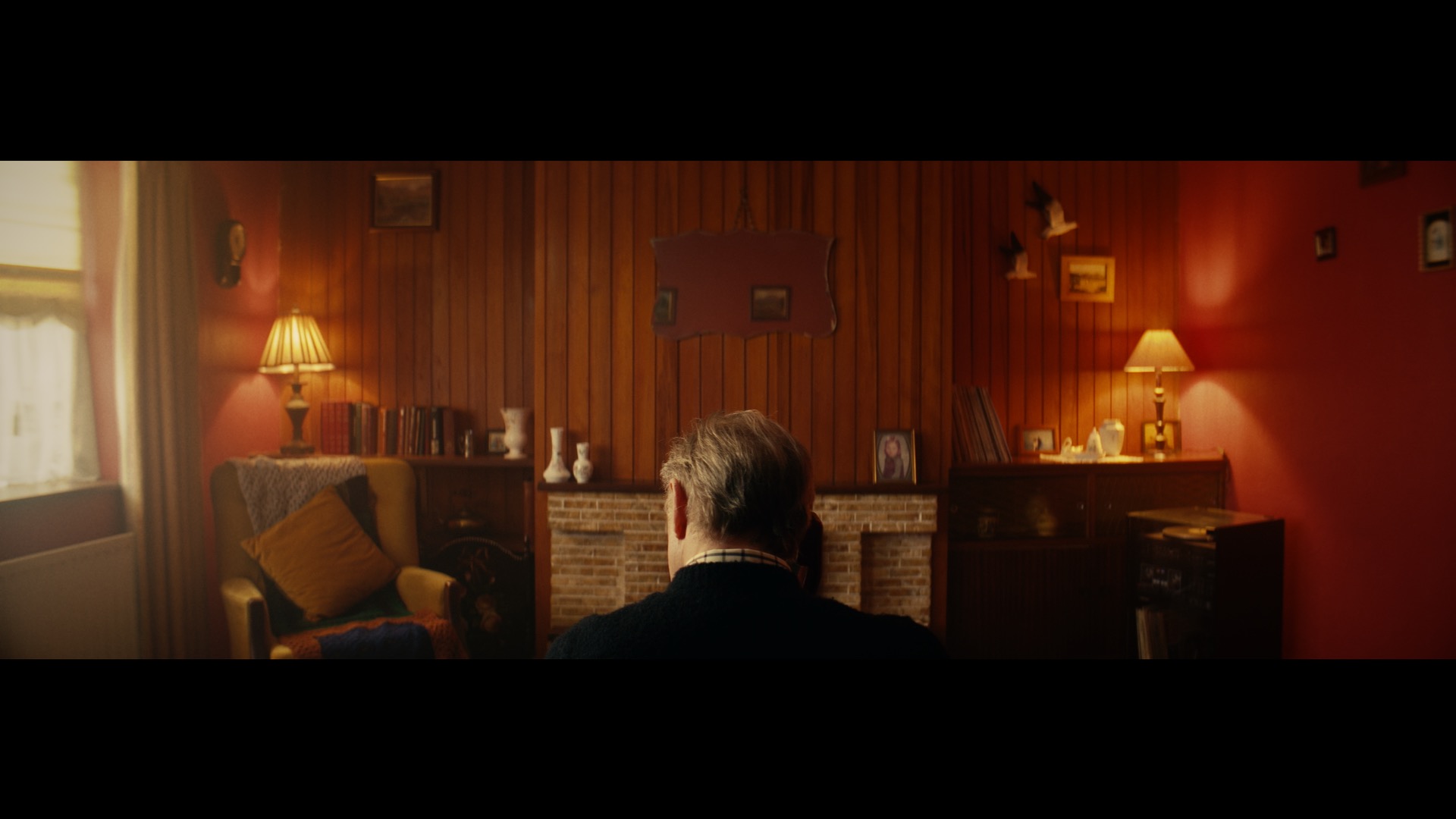
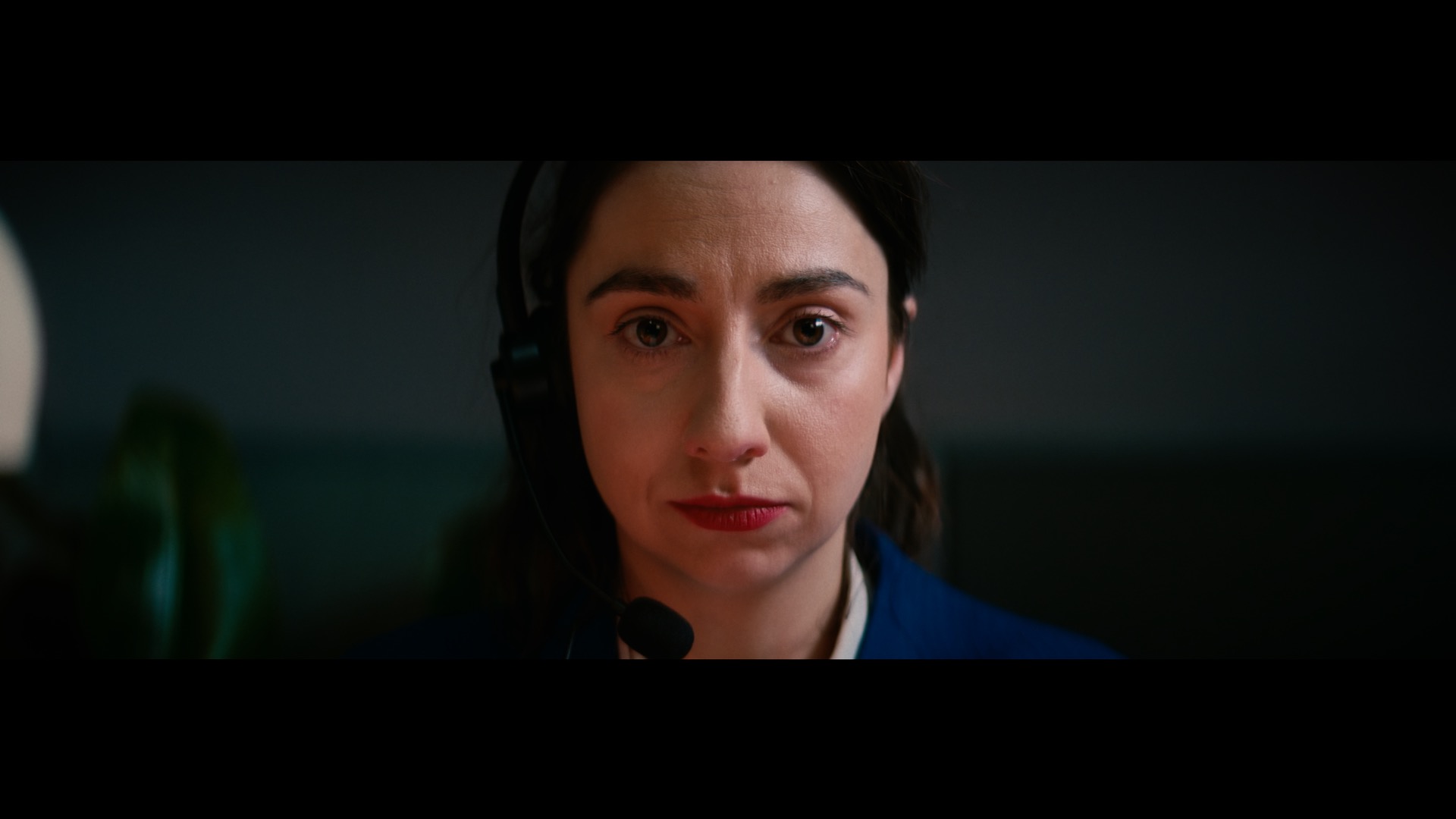
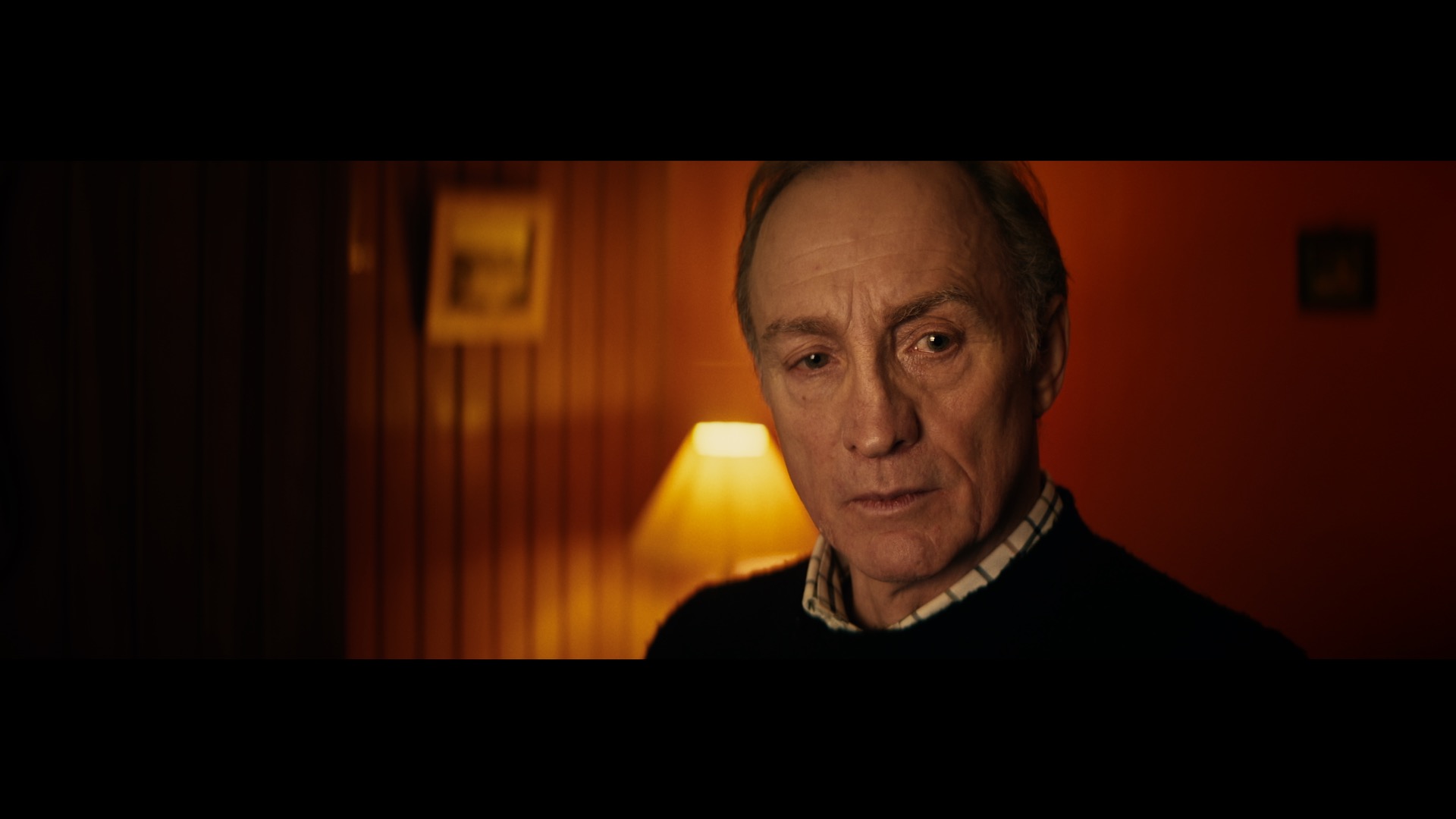
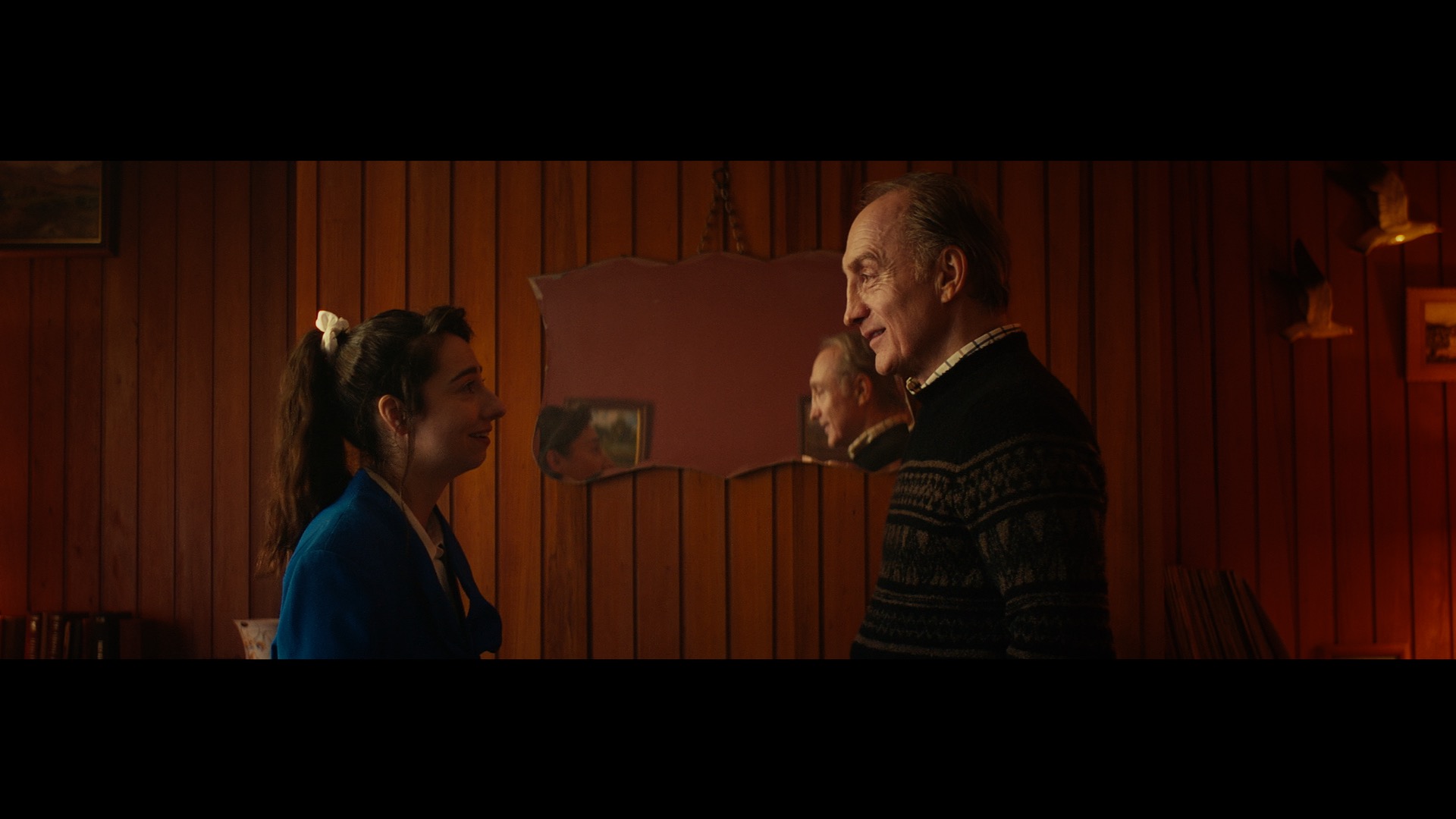
The Death Notice of Eamonn McCarty is the kind of short film that reminds you just how much can be achieved in a small amount of time. Funny, strange, moving and unmistakably Irish, Aaron Chalke’s Oscar-qualified directorial debut takes an idea rooted in a very specific cultural tradition and turns it into something surprisingly universal.
★★★★★
Sonia Smith for Arts Muse Magazine
At the centre of the film is a gloriously absurd premise: Eamonn McCarty learns that he has just one day left to live. His response is not to embark immediately on some grand cinematic adventure, but to find himself wrestling with the painfully familiar frustrations of customer service while desperately trying to make sense of everything he has not yet done.
It is a wonderfully refreshing setup, particularly in an awards landscape where short films can sometimes feel determined to announce their importance from the opening frame. The Death Notice of Eamonn McCarty does the opposite. It draws you in with humour, understatement and a touch of the ridiculous, before quietly revealing something much more poignant underneath.
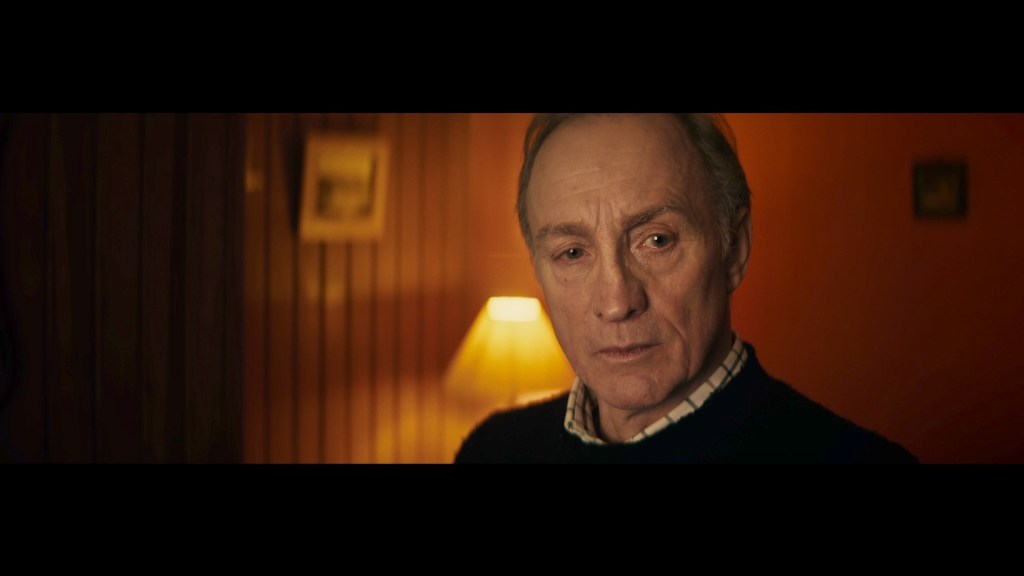
Michael McElhatton is superb as Eamonn. There is an instinctive stillness to his performance that makes the comedy land without ever feeling forced. Best known internationally for darker roles including Roose Bolton in Game of Thrones, McElhatton shows a wonderfully different side here, balancing exasperation, disbelief and vulnerability with immaculate timing.
Opposite him, Hannah Mamalis brings warmth and sharpness to the film, helping ground its more surreal moments in something recognisably human.
What makes Chalke’s film particularly effective is the way its central conceit grows naturally from Irish culture. The inspiration comes from Ireland’s long-established tradition of local death notices being read aloud on regional radio stations — announcements woven into everyday community life. Chalke takes something familiar and almost mundane and asks a beautifully simple question: what would happen if the death notice you heard was your own?
That question became more personal for the filmmaker following the death of his mother, and knowing this adds another layer to the film without overwhelming it. There is real grief behind the comedy, but Chalke never manipulates the audience into feeling it. Instead, the emotion arrives gradually, almost unexpectedly.
The bureaucracy surrounding Eamonn’s predicament is especially funny because it is so recognisable. Anyone who has ever spent far too long on hold, repeated their details to several departments or tried to explain a life-changing problem to someone following a customer-service script will understand the joke immediately. The film manages to turn administrative frustration into something existential.
Yet beneath the satire is a deceptively serious meditation on time.
What ambitions do we keep postponing? How much of our lives do we spend assuming there will always be another day? And if someone told us exactly when the end was coming, would we suddenly understand what really mattered?
Those questions could easily have resulted in something overly sentimental. Instead, Chalke keeps the film light on its feet. Its humour protects it from becoming earnest, while its emotional honesty prevents the comedy from becoming disposable.
That tonal balance is arguably the film’s greatest strength.
There is also something distinctly refreshing about seeing an Oscar contender built around character, writing and performance rather than spectacle. The Death Notice of Eamonn McCarty does not need to shout. It trusts its audience, allowing an unusual idea and an exceptional central performance to do the work.
Visually, Simon Crowe’s cinematography complements that restraint, while Vincent McEntee’s editing keeps the film moving with the precision comedy demands. Production designer Jenny Owens, sound designer Rob Moore and hair and make-up artist Jennifer Keogh-Reilly similarly help create a world that feels heightened enough to support the premise while remaining entirely believable.
For a filmmaker making his narrative directorial debut after more than 16 years in advertising and commercials, Chalke displays remarkable confidence. There is a clarity to the storytelling that suggests someone who knows exactly what film he wants to make.
His mentorship under Ross White and Tom Berkeley, the Oscar-winning filmmakers behind An Irish Goodbye, feels particularly fitting. Like that film, The Death Notice of Eamonn McCarty understands that some of the most affecting stories about death are actually stories about how we choose to live.
Winning Best Irish Short at Foyle Film Festival and qualifying for consideration at the 99th Academy Awards feels entirely deserved.
In a season filled with films asking for attention, this one earns it quietly.
Funny without being flippant, emotional without becoming sentimental and culturally specific while remaining completely accessible, The Death Notice of Eamonn McCarty is a small film with a surprisingly large amount to say.
Most importantly, it feels fresh.
And in the Oscar short-film race, that may be one of its greatest advantages.


Leave a Reply