
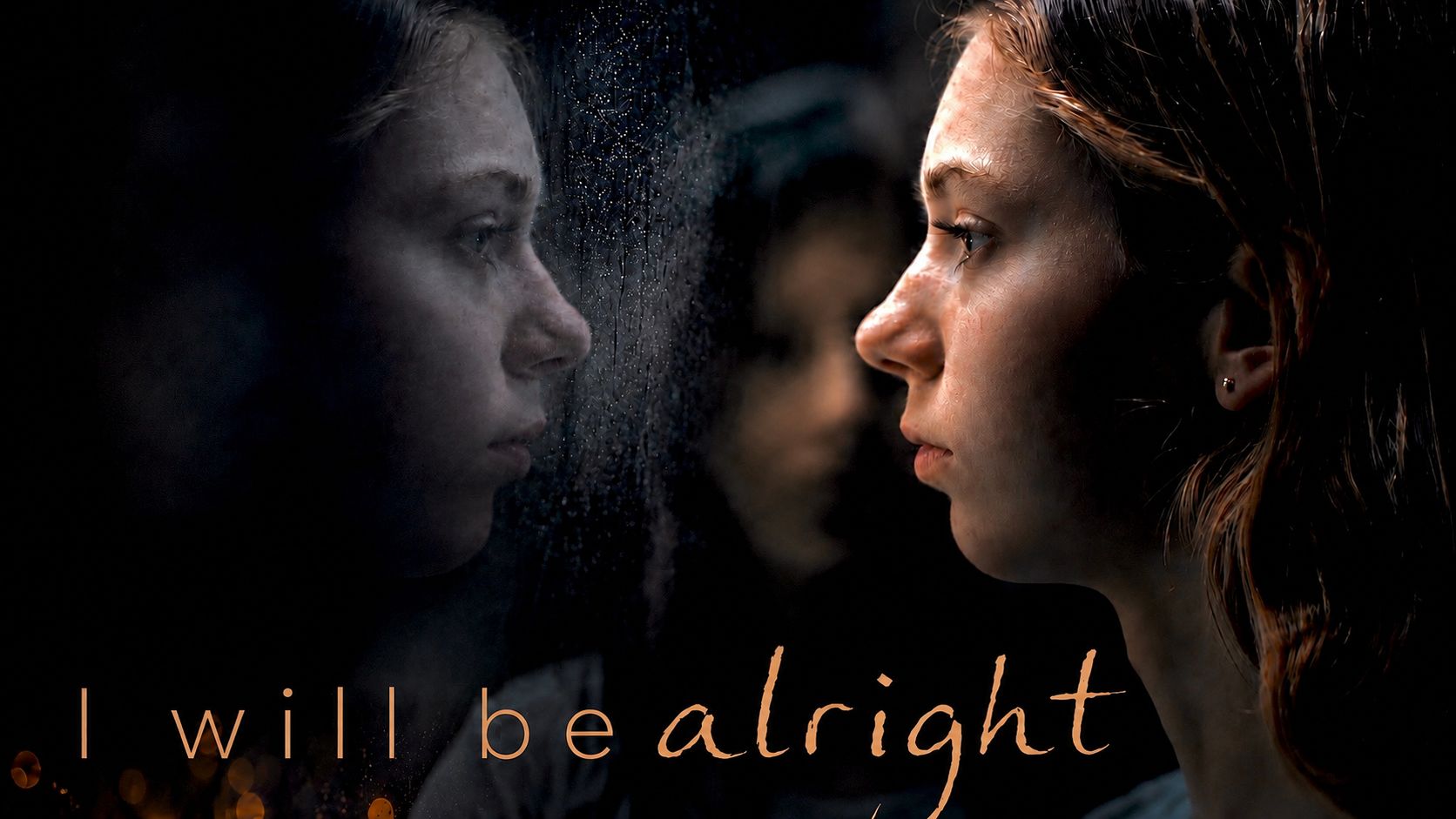
Oscar-nominated filmmaker Cyrus Neshvad returns to the Academy Awards race with a profoundly moving drama that asks what freedom really means when it can be taken away.
★★★★★
Sonia Smith for Arts Muse Magazine
There are films that entertain, films that provoke thought, and then there are those rare films that feel genuinely necessary. Cyrus Neshvad’s Oscar-qualified short I Will Be Alright belongs firmly in the latter category. Beautifully conceived, emotionally devastating and deeply relevant, this extraordinary film is a reminder of cinema’s power to give a human face to stories too often reduced to political headlines.
At its heart is Laïla, a 16-year-old Iranian refugee facing deportation to the very country she fled. She is a teenager who should be thinking about friendships, her future and the ordinary freedoms of growing up. Instead, she finds herself fighting for the right to remain somewhere safe.
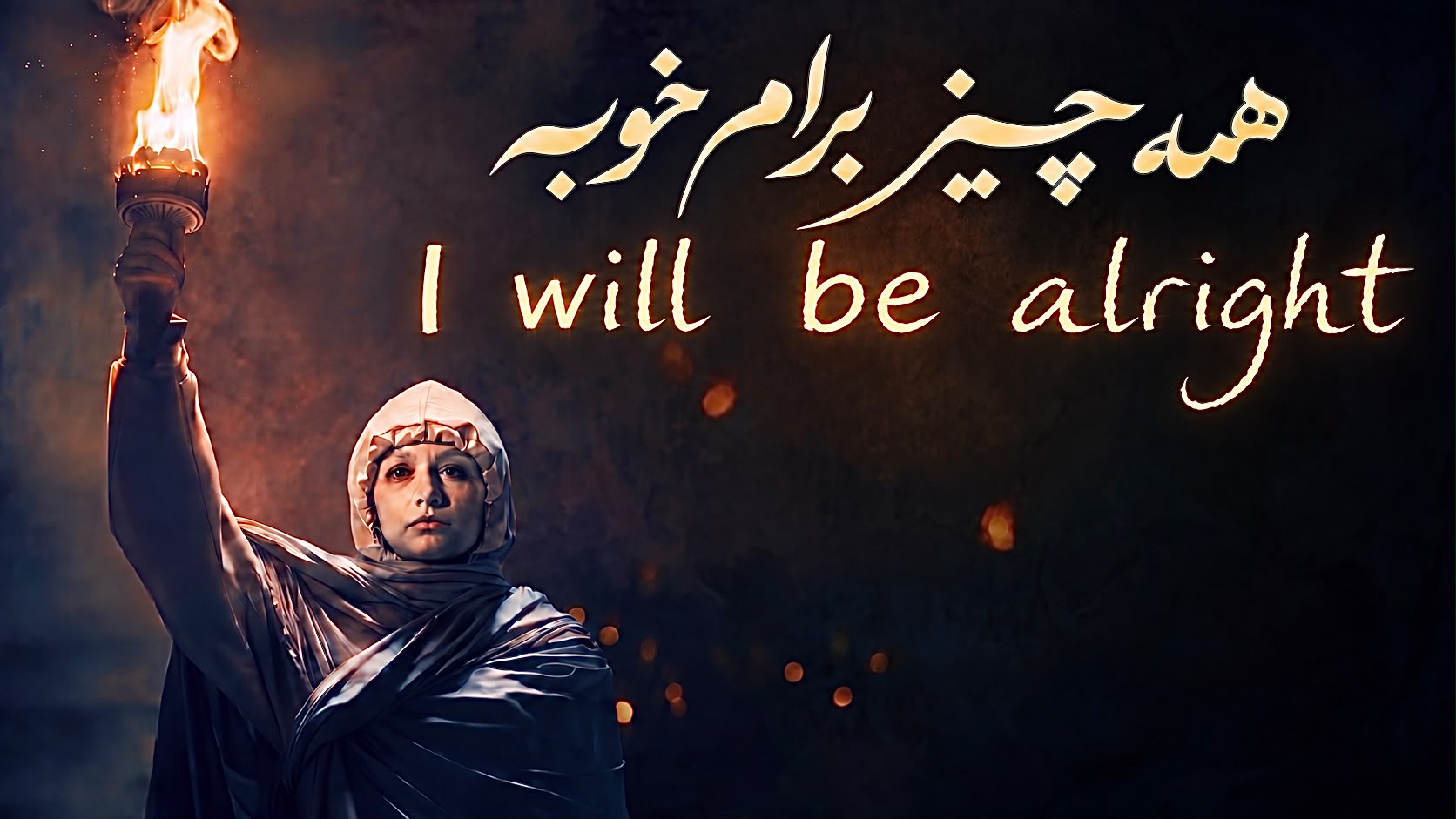
In one of the film’s most striking creative choices, Laïla earns a living dressed as the Statue of Liberty. The symbolism is almost unbearably poignant. Here is a young girl representing one of the world’s most recognisable symbols of freedom, while being denied the very liberty she embodies.
It is a remarkable piece of visual storytelling, communicating more about the contradictions of immigration and the fragility of freedom than pages of political debate ever could.
What makes I Will Be Alright so powerful is that Neshvad never allows the politics to overwhelm the humanity.This is not simply a film about immigration, borders or deportation. It is about a child. A child who wants to feel safe, to belong, to have a future. By placing her experience at the centre of the narrative, Neshvad transforms an enormous global issue into something intimate, immediate and impossible to ignore.
The film also raises an uncomfortable but essential question: what does it say about our society when a young person can escape danger, begin rebuilding a life and still face the possibility of being returned to the place she feared?
Neshvad approaches these themes with tremendous sensitivity and intelligence. His direction is assured and compassionate, trusting the emotional weight of the story rather than resorting to unnecessary melodrama. There is a quiet confidence in the filmmaking, an understanding that sometimes the most devastating moments are those that ask the audience simply to witness another person’s vulnerability.
The film’s exploration of human connection is equally important. In a world increasingly defined by borders and divisions, I Will Be Alright reminds us that kindness, solidarity and empathy can become lifelines. As Neshvad himself explains, the film explores how our survival depends on human unity.
That message gives the story a resonance far beyond its immediate setting.
For Neshvad, who was born into an Iranian family and moved to Luxembourg at the age of five, questions of identity and belonging are deeply personal. That connection is evident in the sensitivity of his storytelling. He understands that home is more than a geographical location. It is the place where we feel protected, accepted and able to imagine a future.
There is also something particularly affecting about the film’s young protagonist. Laïla represents countless young people whose lives are shaped by decisions made by adults, governments and institutions over which they have almost no control. Her circumstances may be extraordinary, but her longing for security, dignity and acceptance is universal.
This is precisely why films like I Will Be Alright matter. At a time when refugees and immigration are so frequently discussed in terms of statistics, policies and political arguments, Neshvad asks us to remember the individual lives behind those conversations.
And perhaps that is the film’s greatest achievement. It does not demand that its audience agree on every political question. Instead, it asks something far more fundamental: can we recognise the humanity of someone whose circumstances are different from our own?
Neshvad is no stranger to the Academy Awards. His acclaimed short The Red Suitcase earned an Oscar nomination in 2023, establishing him as a filmmaker with an exceptional ability to tell urgent, socially conscious stories through intimate human experiences.
With I Will Be Alright, he demonstrates that his previous success was no accident. There is a maturity and emotional clarity to his filmmaking that deserves serious attention.
The short has already won Best of the Fest at the 30th LA Shorts International Film Festival, securing its qualification for the 99th Academy Awards. It is an achievement that feels entirely fitting for a film with such a powerful message.
Neshvad is also enjoying a remarkable awards season, with his feature debut Child selected as Luxembourg’s official submission for Best International Feature Film. Few filmmakers find themselves in the extraordinary position of having both a feature representing their country and a short competing for Academy recognition in the same year.
But while awards recognition is undoubtedly important, the true value of I Will Be Alright extends far beyond trophies or nominations.
Its importance lies in the conversations it can inspire, the empathy it can encourage and the uncomfortable realities it asks us not to look away from.
The best short films have the ability to leave an impression far greater than their running time, and I Will Be Alright achieves exactly that. Its central image of a teenage refugee dressed as the Statue of Liberty is one that lingers long after the story ends.
Could I Will Be Alright take Cyrus Neshvad back to the Oscars, and perhaps even win Best Live Action Short Film? It certainly has the thematic ambition, emotional resonance and distinctive storytelling to warrant serious consideration.
In an awards race filled with exceptional filmmaking, Neshvad has delivered something especially valuable: a film that reminds us why stories matter, why empathy matters and why cinema remains such an essential means of understanding the world around us.
I Will Be Alright is heartbreaking, compassionate and quietly unforgettable. Above all, it is a film about the fundamental human right to hope for a better life.
An essential and deeply affecting piece of cinema that deserves to be seen, discussed and remembered.

