

Lara Everly’s SELAH arrives at the Tribeca Festival as one of the year’s most compelling short films, a haunting, razor-sharp exploration of autonomy, survival, and the impossible choices young women are often forced to navigate alone. Blending dark comedy with raw emotional honesty, Everly crafts a coming-of-age story that feels urgent, intimate, and fiercely contemporary.
At the center of the film is Selah, played in a breakout performance by Birdie Silverstein, whose quiet intensity anchors every frame. What begins as a seemingly simple road trip from Texas to California, transporting a designer puppy for quick cash, gradually unfolds into something far deeper and more devastating. Everly masterfully peels back the layers of Selah’s journey, revealing a teenager carrying the crushing weight of secrecy, fear, and determination beneath her stoic exterior.
What makes SELAH so extraordinary is its refusal to simplify its protagonist. Selah is not sentimentalized or softened for audience comfort. She is guarded, resourceful, reckless, vulnerable, and fiercely self-protective all at once. Everly allows her to exist fully in contradiction, creating a character who feels startlingly real.
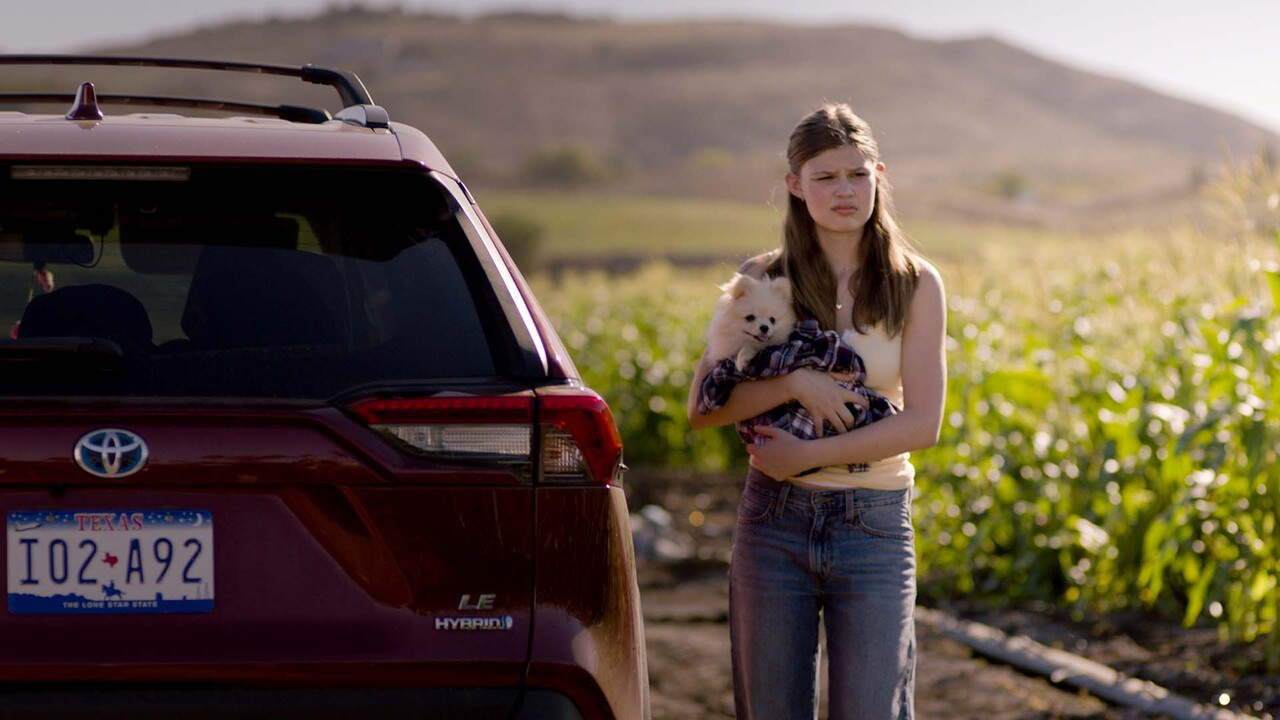
Visually, the film is breathtaking. Cinematographer Chloe Weaver transforms the American roadscape into something both expansive and isolating, capturing endless highways and quiet motels with a striking sense of emotional tension. The cinematography mirrors Selah’s unraveling beautifully, vast open spaces contrasted against suffocating internal pressure. Every frame feels deliberate, intimate, and alive.
Everly’s direction is equally assured. Her background as an actor clearly informs the deeply natural performances throughout the film, particularly in the emotionally layered dynamic between Selah and her mother Claire, played with nuance and complexity. Their relationship becomes the emotional heartbeat of the story, rooted in conflicting ideas about freedom, responsibility, and reproductive autonomy.
What elevates SELAH beyond a standard coming-of-age drama is Everly’s bold tonal balance. The film uses humor not to diminish its heavier themes, but to make them more human and accessible. Moments of awkward comedy and understated absurdity cut through the tension in ways that feel authentic rather than performative. It’s a difficult balance to strike, and Everly handles it with remarkable confidence.
At its core, SELAH is about agency, the quiet, radical act of reclaiming ownership over one’s future when the world offers few safe choices. It’s emotionally resonant without becoming didactic, politically charged without losing its humanity, and deeply personal while speaking to something universal.
This is not just a standout short film, it’s a statement. Lara Everly announces herself as a bold filmmaking voice unafraid to tackle uncomfortable truths with empathy, style, and precision.
SELAH is essential viewing at Tribeca this year, visually arresting, emotionally fearless, and impossible to shake after the credits roll.



Leave a Reply