By Roman Neeson
A Film That Speaks Softly but Hits Hard
In an awards season crowded with spectacle and noise, Butterfly on a Wheel arrives with a different kind of force, the quiet kind. Trevor Morris, already a two-time Emmy winner for his celebrated work in television, steps into the director’s chair for the first time and delivers a debut so polished, so emotionally grounded, that its Oscar-qualifying status feels less like ambition and more like inevitability.
Toronto as a Living, Breathing Character
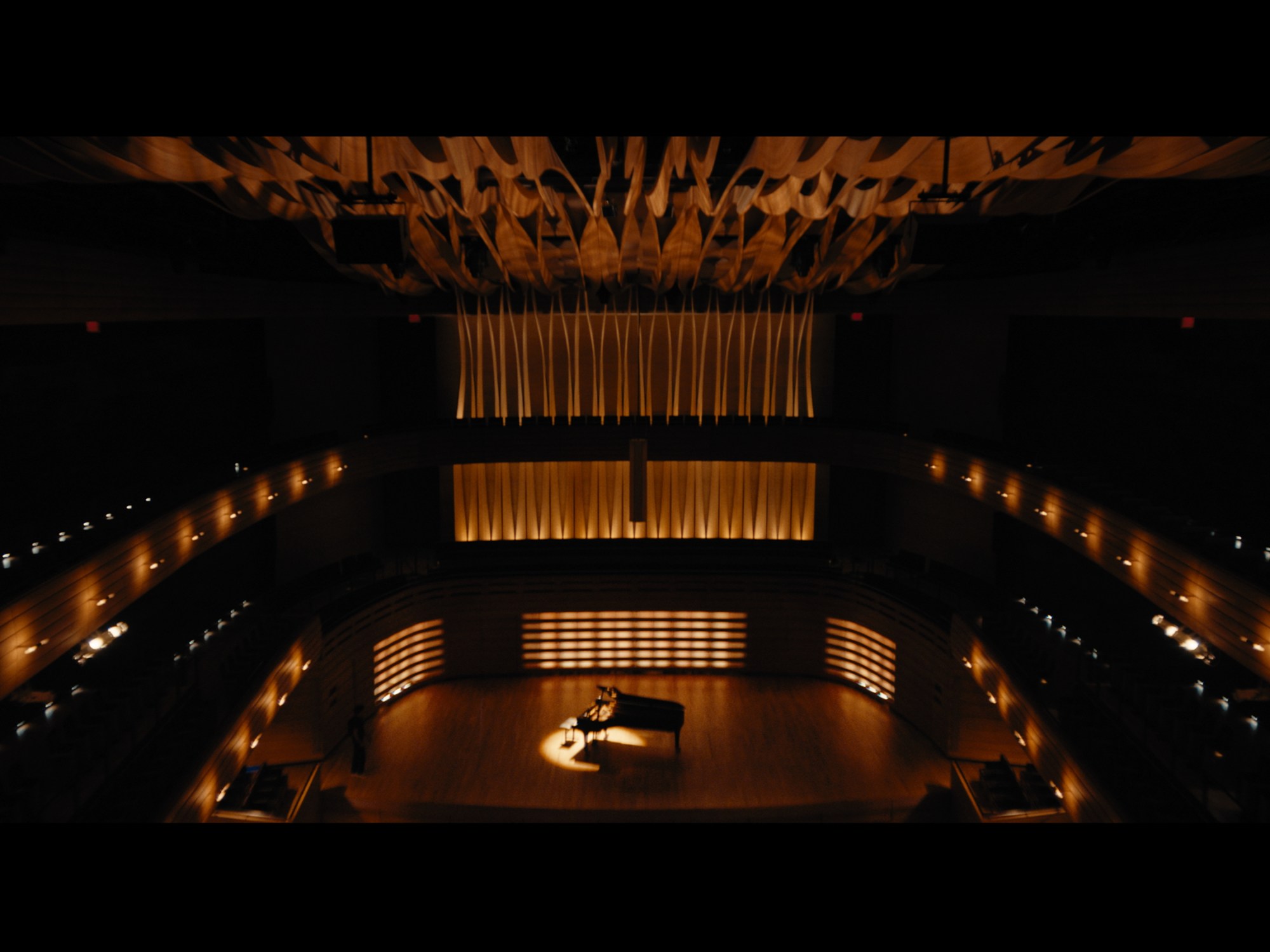
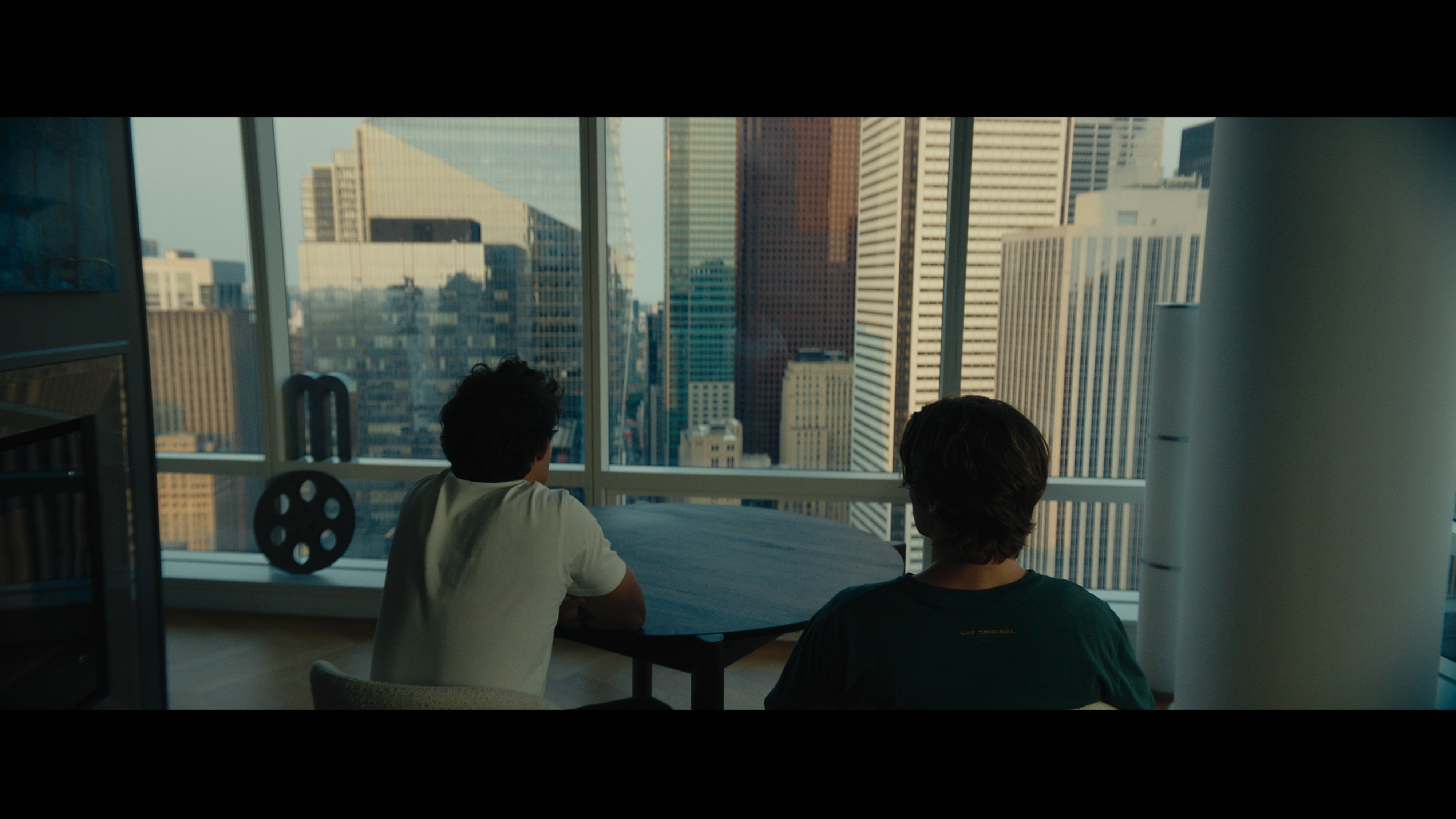
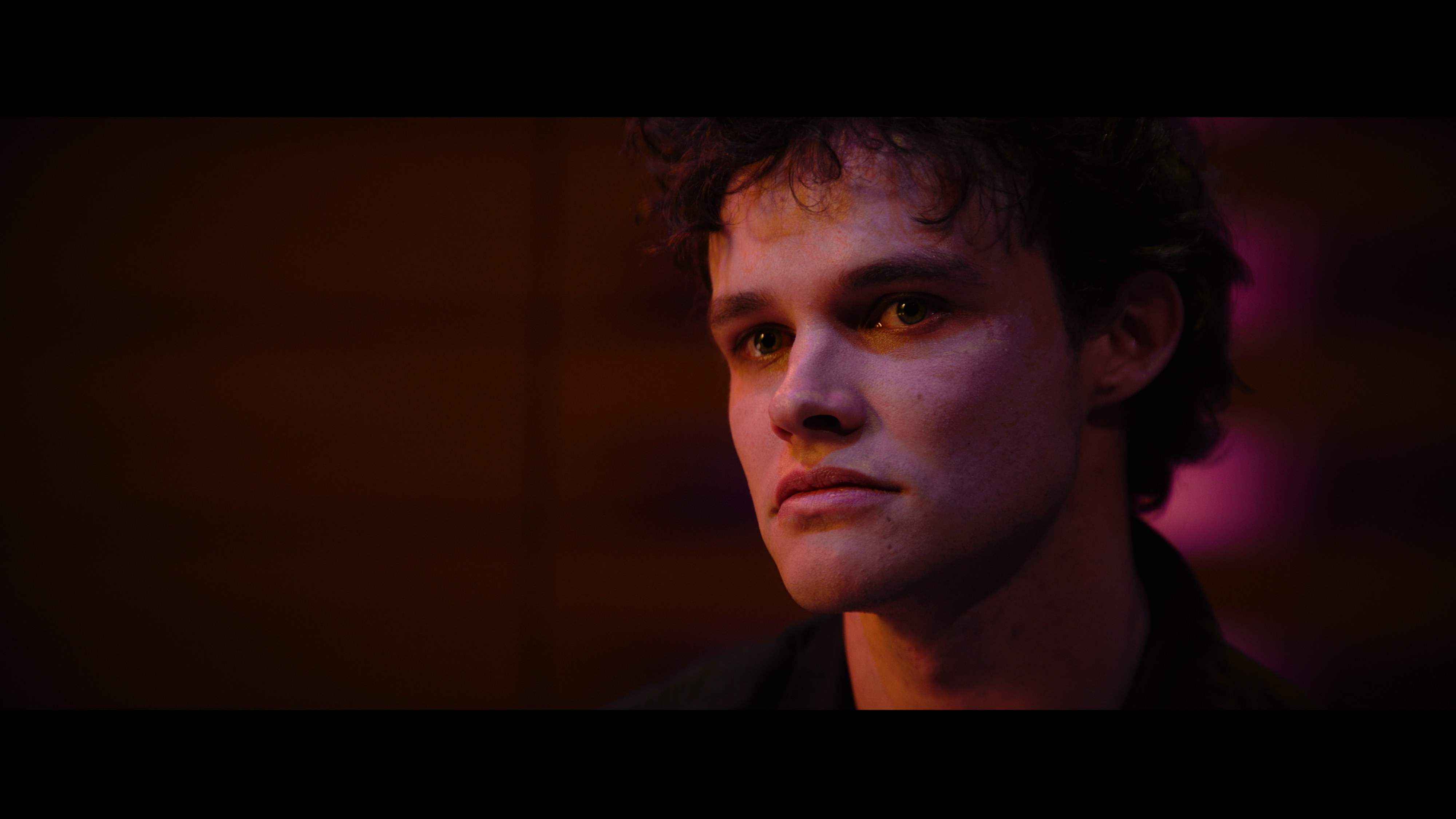
Set against the pulse of Toronto, the film transforms the city from a backdrop into an emotional ecosystem. Streets, hallways, rehearsal rooms, and finally Koerner Hall become extensions of Jacen Davis’ inner world, a gifted jazz student battling OCD, anxiety, and the paralyzing fear of disappointing himself. Played with raw precision by Curran Walters, Jacen emerges as both a singular character and a universal symbol of the invisible battles waged behind talent.
A Story Told in the Space Between Notes
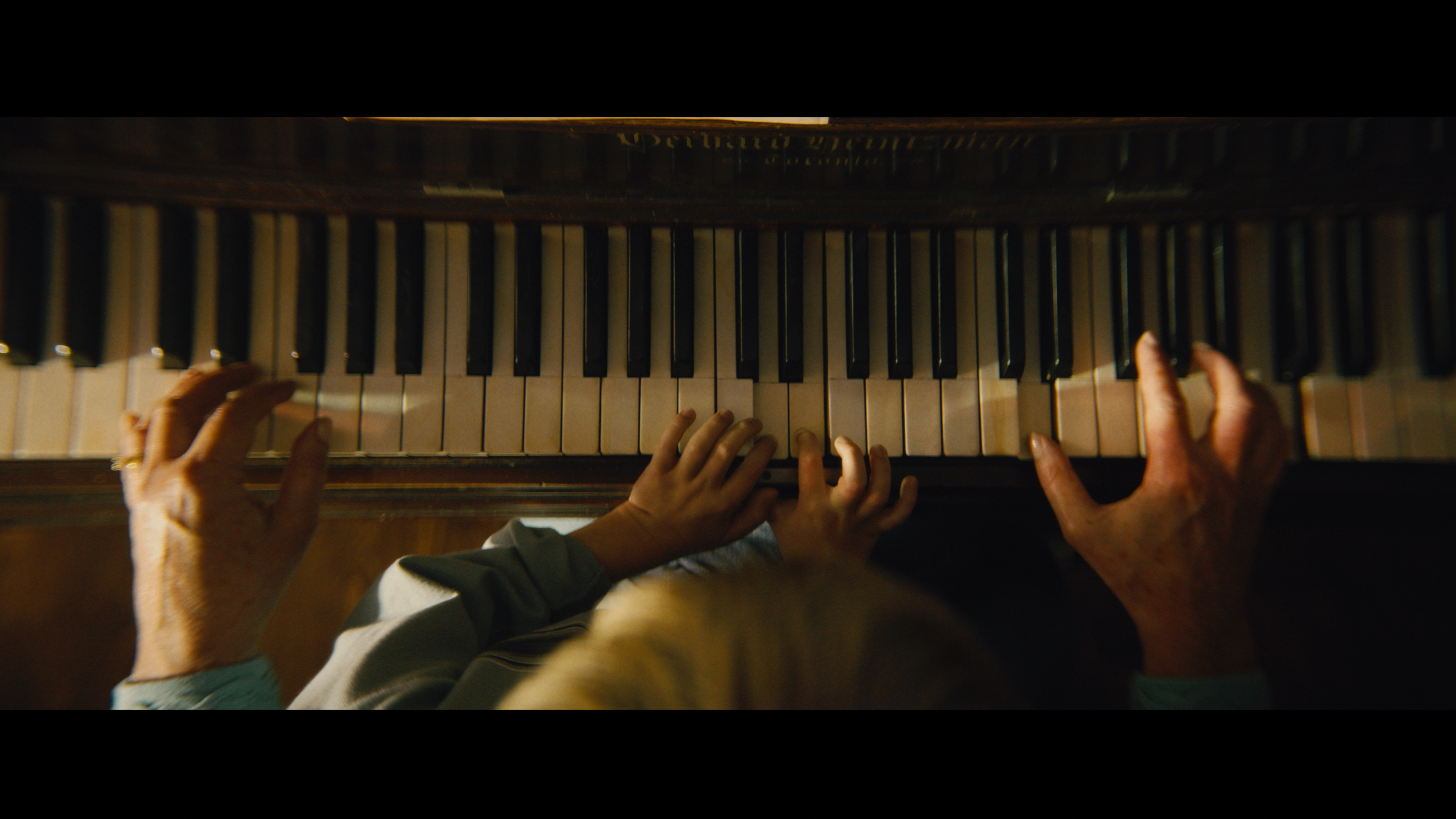
Morris’ background as a composer shapes every frame. The film understands silence the way a musician does, not as emptiness, but as meaning. Butterfly on a Wheel resists melodrama, opting instead for restraint. It breathes. It listens. It trusts the audience to feel what Jacen cannot say. Music isn’t just part of the film’s soundscape, it’s its bloodstream, carrying emotion from scene to scene with measured grace.
Performances Built on Intimacy and Truth
Beyond Walters’ standout performance, Brielle Robillard’s Sorrel and Michael Provost’s Dylan form the emotional scaffolding around Jacen’s struggle. Their presence offers not rescue, but recognition, a point of connection in a story built on the vulnerability of being seen. This focus on intimate, human-scale relationships is precisely what gives the film its emotional heft.
Awards Momentum That’s Hard to Ignore
The film’s festival trajectory has been nothing short of impressive. With selections at Newport Beach, Coronado Island, Night of Shorts, Catalina, and Global Peace 360, plus a semi-finalist slot at the Rhode Island International Film Festival and a TIFF Market screening, Butterfly on a Wheel is moving through the season with unmistakable momentum.
Behind the camera, industry heavyweights such as executive producer Susan Cooper (The Vow, Enslavement, Unchained) and veteran Jim Seibel (Nyad, The Host, The Grey) bring further credibility to a project already brimming with artistic purpose.
A Universal Story Wrapped in Personal Detail
Despite its accolades, the film’s true power lies in its intimacy: one young man navigating the storms inside himself, a city humming with possibility, and a filmmaker exploring the universal need to be seen, truly seen, for who we are. Morris himself puts it simply: “It’s at the heart of the universal human condition, to all want to be seen, seen for who we really are.” The film lives inside that truth.
Why the Academy Should Pay Attention
If the Oscars are meant to celebrate craft, emotional clarity, and cultural resonance, then Butterfly on a Wheel stands as one of the year’s most compelling short-film contenders. It is not merely Oscar-qualifying, it is Oscar-caliber.
Trevor Morris may already have two Emmys on his shelf. After this, he may want to make room for an Oscar.
 Arts Muse Magazine