

By Roman Neeson
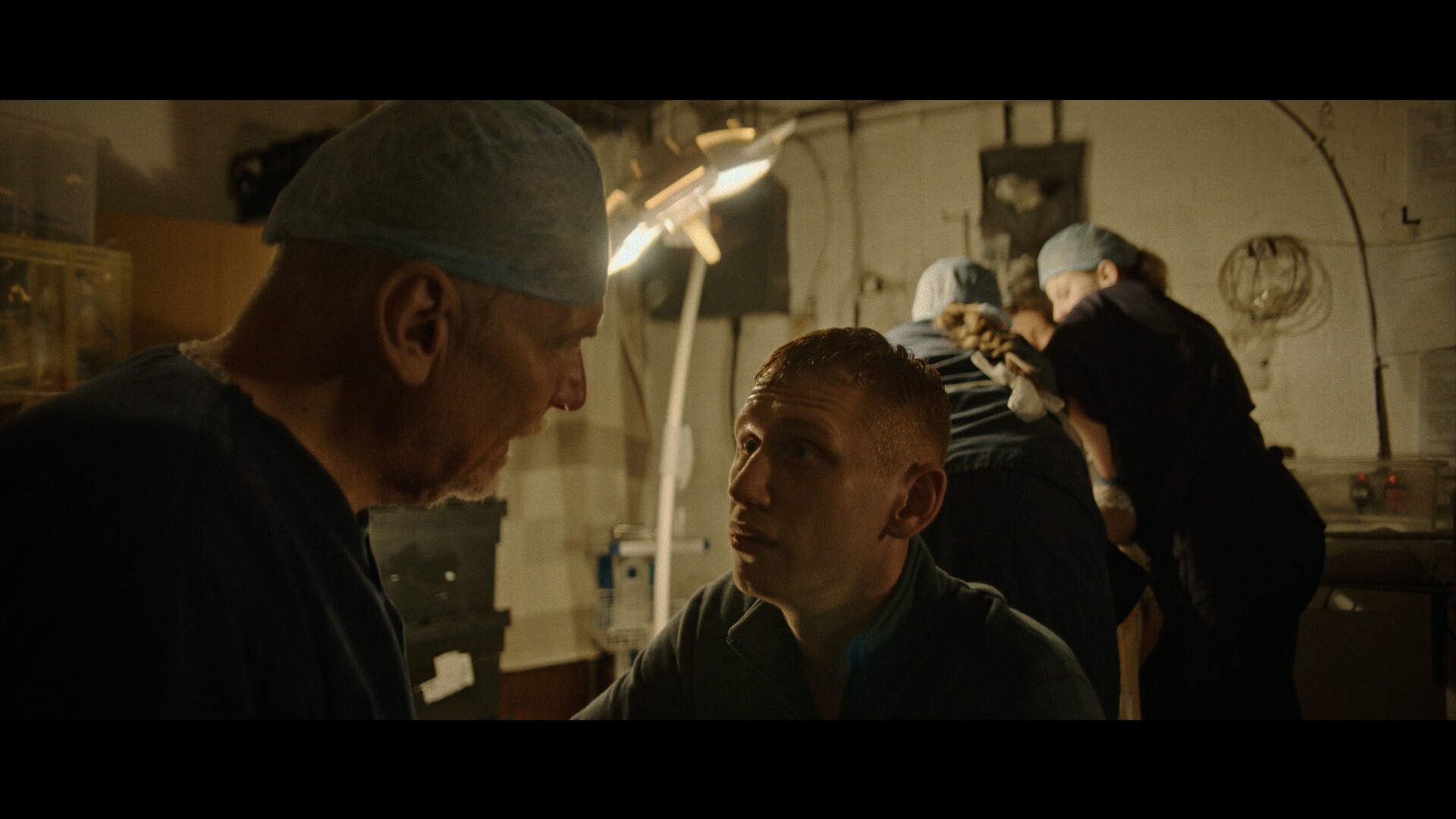
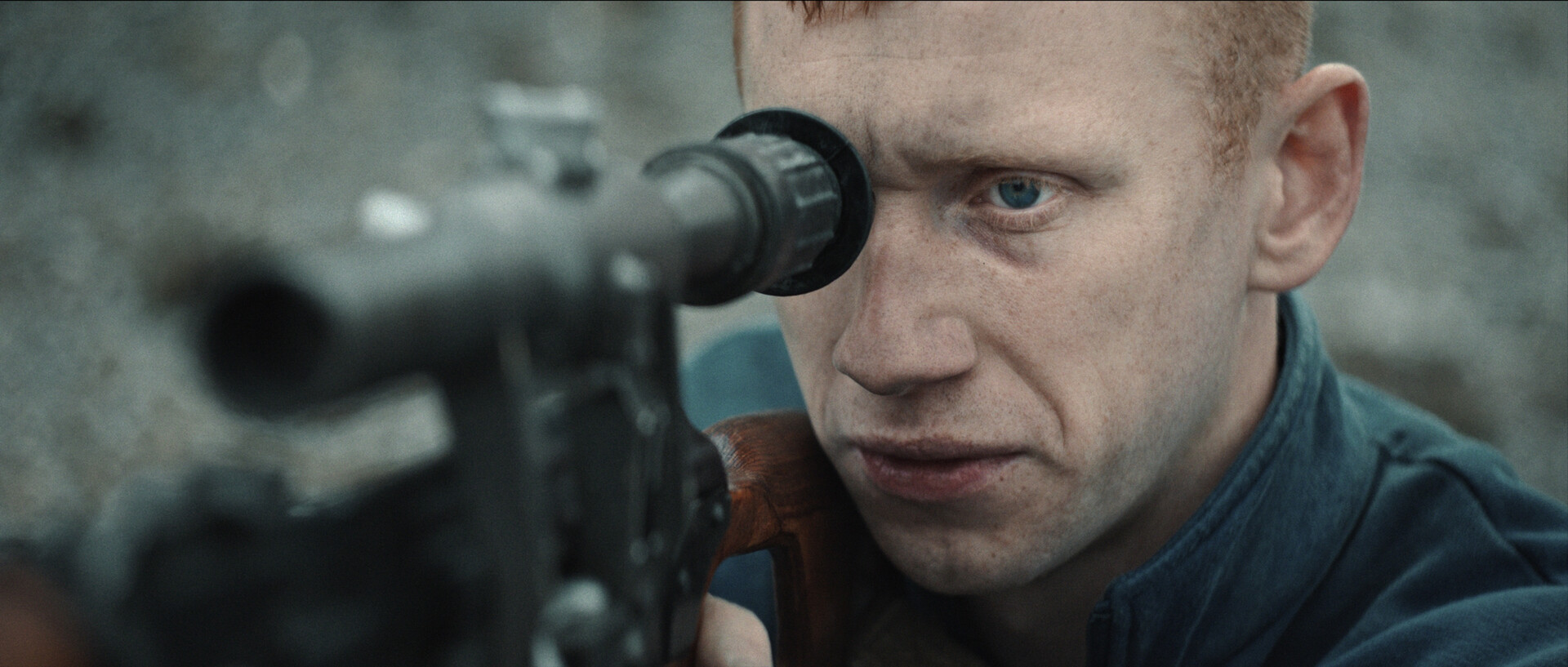
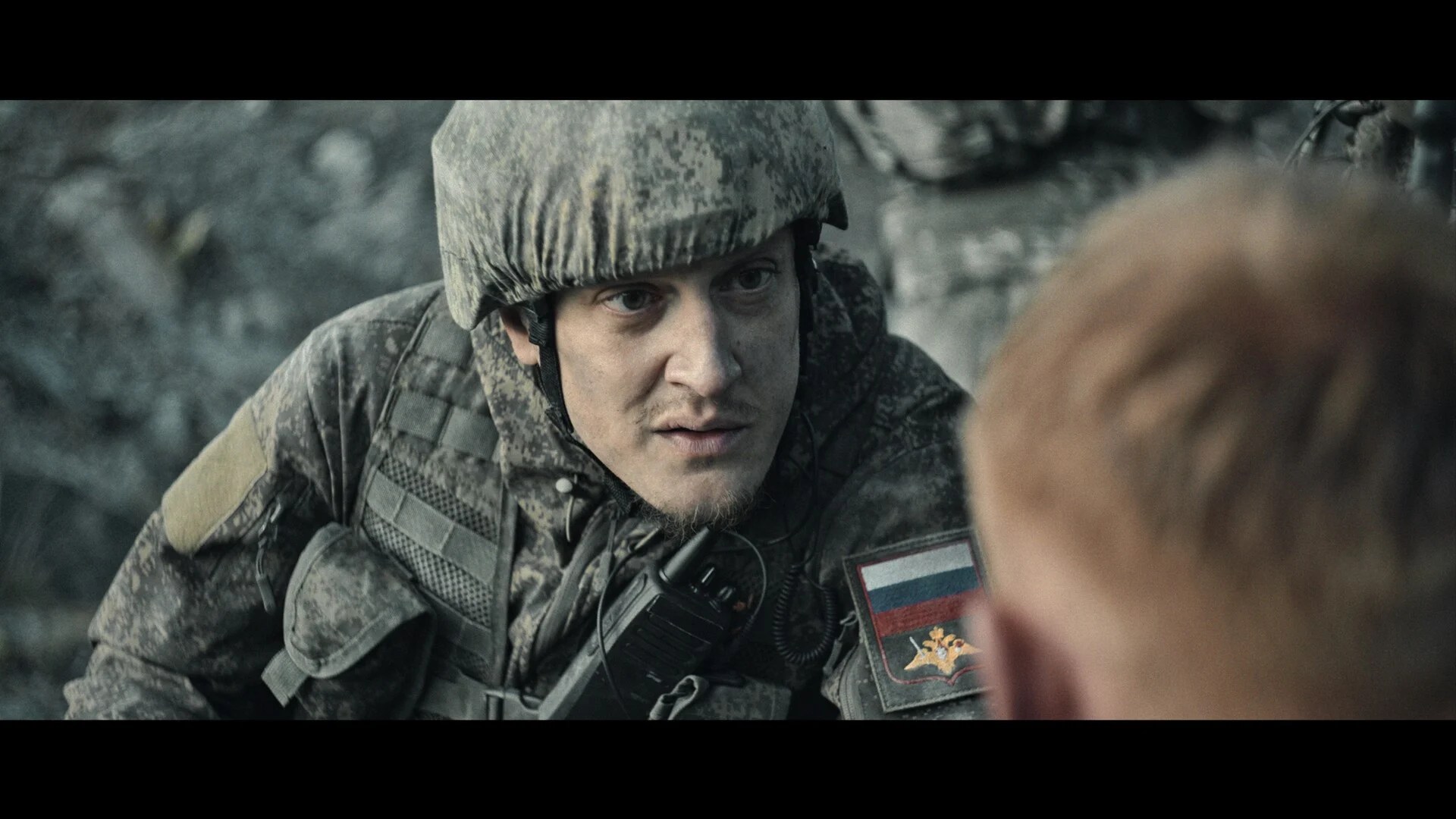
Few short films arrive with the force, urgency, and moral clarity of Rock, Paper, Scissors, and fewer still carry the unmistakable imprint of a producer whose sheer determination becomes part of the film’s very mythology. Backed by the Office of the President of Ukraine, the film has already claimed the 2025 BAFTA for Best British Short Film and the Grand Prize at HollyShorts London, placing it firmly at the centre of awards-season conversations. The question now reverberates through the festival circuit, could this be the short that takes home the Oscar?
A Producer Who Turns a Film into a Mission
In the current landscape of political cinema, the producer of Rock, Paper, Scissors, Hayder Rothschild Hoozeer, stands singularly apart. His involvement is not merely logistical or financial, it is existential. Twice entering an active warzone to secure support from representatives of the President of Ukraine, Hoozeer transformed the film’s production into an act of cultural resistance, blurring the line between artistic creation and frontline advocacy.
It is difficult to recall another short film whose producer has played such a visible, defining role in both conception and execution. The wartime commendation bestowed on the production by the Office of the President of Ukraine underscores the magnitude of this achievement. It is a rare honour, one that places the film, and the producer’s persistence, inside the country’s cultural and historical record.
The result is a project steeped in authenticity, lead actors travelled under special permission from the Ukrainian Ministry of Culture, some directly from devastated regions, carrying with them the emotional weight of lived experience. Here too, the producer’s dogged advocacy made the impossible possible.
Art born from crisis
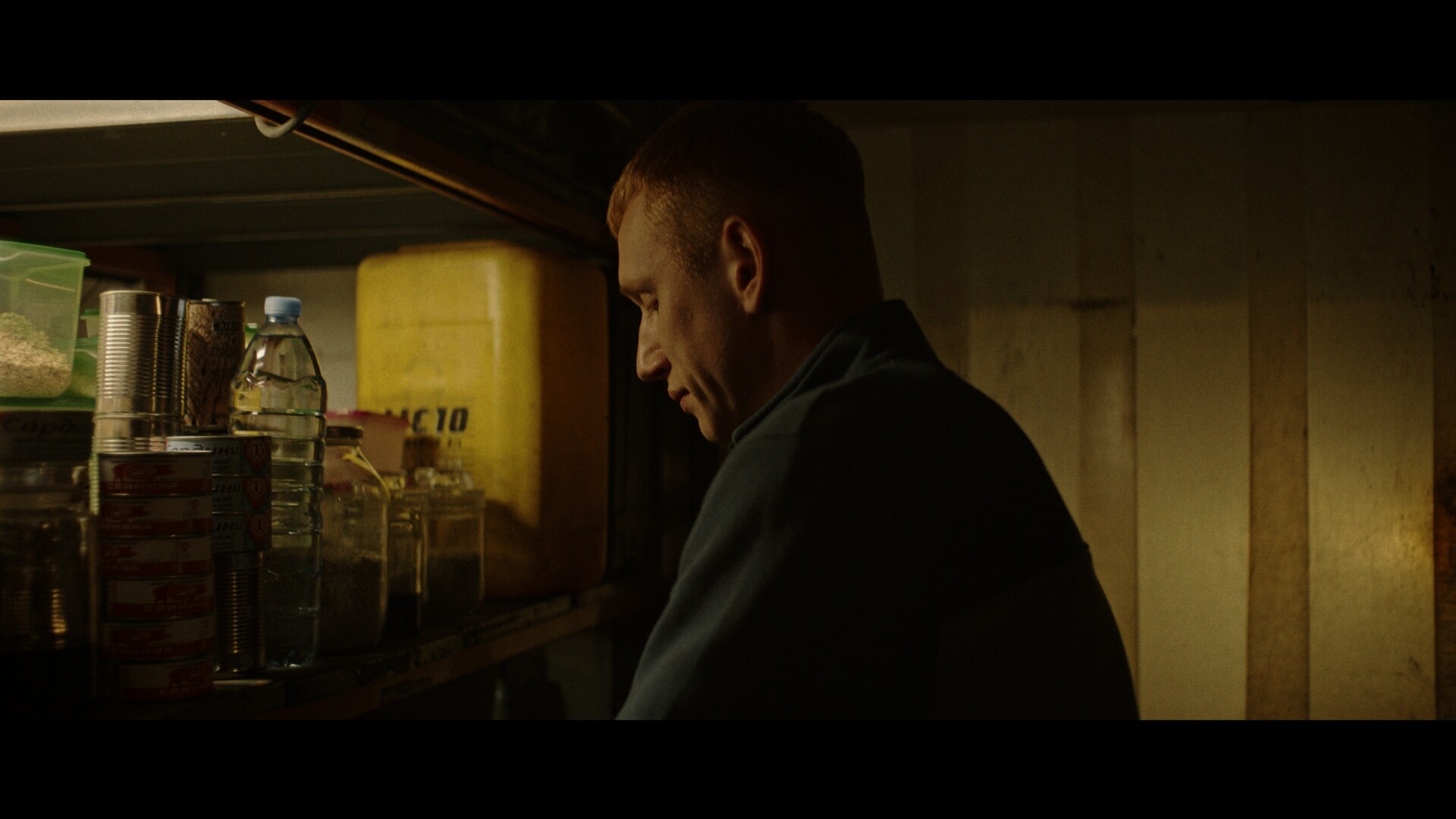
Directed and written by Franz Böhm, Rock, Paper, Scissors tells the true story of Ivan, a 17-year-old boy trapped with his father in a makeshift frontline hospital as Russia’s war on Ukraine crashes into their fragile refuge. Böhm’s direction is sharp, intimate, and unflinching, but the film’s emotional power is inseparable from the conditions under which it was made, conditions forged, in large part, by the producer’s extraordinary resolve to bring real voices, real faces, and real testimony to the screen.
A global ascent
Before its BAFTA triumph, the film was already gaining momentum, earning a nomination for Best International Film at the Oscar-qualifying Show Me Shorts Film Festival 2024. The BAFTA win, however, marked a turning point. Its selection for the prestigious Ukraine WOW cultural exhibition further elevated it from a film to a national artefact, a symbol not only of storytelling but of Ukrainian endurance.
Winning the HollyShorts London Grand Prize has now propelled it even further into awards-season prominence. Industry insiders know that this combination, a BAFTA win, festival acclaim, and global relevance, is precisely the constellation from which Oscar winners often emerge.
Could it win the Oscar?
The Academy has historically gravitated toward shorts that speak to human bravery and geopolitical urgency (Skin, The White Helmets, If Anything Happens I Love You), and Rock, Paper, Scissors fits squarely within that lineage. But what sets it apart, and what voters may find irresistible, is the story behind the story, a producer who risked their life, who negotiated at the highest governmental levels, who treated filmmaking as a frontline act of witness.
If the Oscars reward not only artistry but the courage required to make art under fire, then Rock, Paper, Scissors stands as one of the year’s most compelling contenders.
In the end, whatever statue it may or may not win, the film has already secured something far rarer, cultural permanence, international resonance, and a place in Ukraine’s living memory, thanks, to an extraordinary degree, to a producer who refused to let this story go untold.
 Arts Muse Magazine