
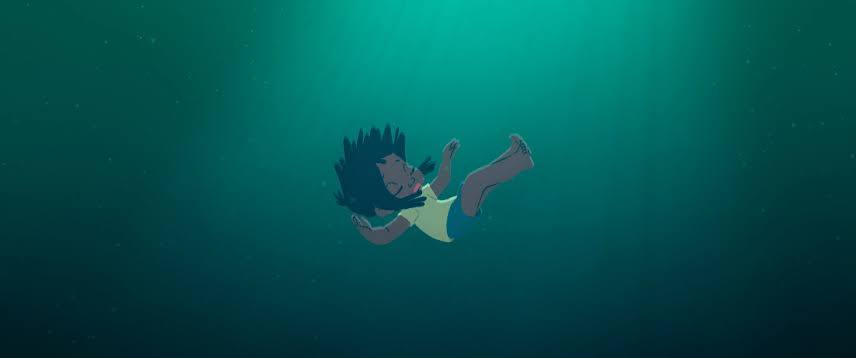



CAFUNÈ is nothing short of a triumph in the world of animated cinema. Co-directed by the immensely talented Carlos F. de Vigo and Lorena Ares, the film is a visually captivating and emotionally powerful narrative that pushes the boundaries of storytelling in animation. The short follows Alma, a young refugee girl burdened with the haunting memory of being the sole survivor of a horrific shipwreck, a tragedy that leaves her emotionally scarred for years. What sets CAFUNÈ apart from other animated works is its uncanny ability to explore deep, complex themes such as trauma, loss, and healing through a delicate yet poignant lens.
From the very first frame, the film immerses audiences in a surreal, dreamlike world that mirrors Alma’s fractured psyche. The stunning animation, enriched by the iconic character design of Carlos Grangel, takes on a hauntingly beautiful quality that elevates the story beyond mere visual spectacle. The interplay of light, shadow, and colour speaks to the emotional landscape of Alma’s journey, with each frame meticulously crafted to reflect her inner turmoil. This is animation at its finest; an art form that is not just visually captivating but also emotionally resonant.
What is truly remarkable about CAFUNÈ is its ability to communicate universal truths about human nature, particularly in the face of unimaginable pain. The filmmakers’ choice to centre the narrative on Alma’s relationship with her lost doll, which falls into a swimming pool, a stark and painful reminder of the shipwreck serves as a metaphor for the deep psychological trauma that can linger long after a tragedy. Alma’s struggle to face this haunting reminder is both heartbreaking and cathartic, illustrating how trauma can resurface in the most unexpected and painful ways, demanding to be acknowledged and healed.
The brilliance of CAFUNÈ lies in its refusal to shy away from the difficult realities of displacement and survival. The film’s delicate handling of such weighty subjects, without descending into exploitation or melodrama, is a testament to the creative vision of de Vigo and Ares. They craft a story that is at once deeply personal and universally relatable, capturing the resilience of the human spirit in the face of trauma and loss. This is not just a story of survival, but a story of hope, healing, and the possibility of rebuilding one’s life after unimaginable loss.
It’s no surprise that CAFUNÈ has resonated with audiences across the globe, earning its place at over 170 international film festivals and winning dozens of prestigious awards, including the Goya Award, the highest honour in Spanish cinema. With its recent Oscar® qualification, the film’s significance is only poised to grow, solidifying its place as one of the year’s most important animated works. CAFUNÈ is a film that redefines what animation can achieve, and it’s a true contender for the highest accolades in cinema.
Johnathan Highgate
 Arts Muse Magazine