


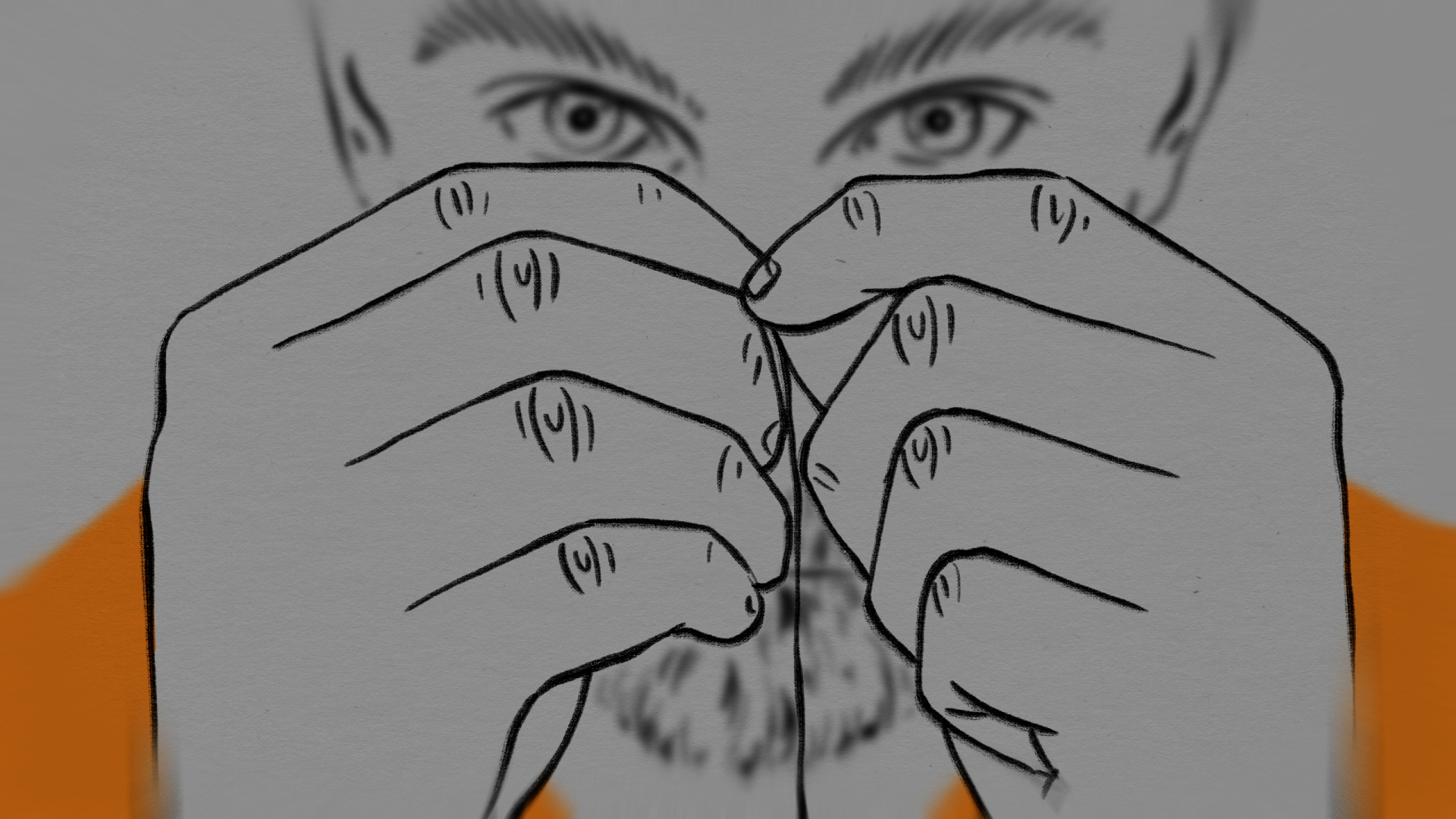

There is a long, winding tradition of films about prisons, punishment and the mind behind bars. What makes Nathan Fagan’s Inside, The Valley Sings remarkable is its refusal to treat solitary confinement as a backdrop for dramatic spectacle. Instead, it chooses to explore something far more elusive: what happens inside the mind when time dissolves, connection disappears and the only company is one’s own thoughts.The film is structured around the testimonies of three individuals who endured solitary confinement for years. In subjecting them to the formal innovation of hand‑drawn animation by Natasza Cetner, Fagan creates a presentation of psychological realism not through photographic “truth,” but through metaphor, abstraction, and sensory immersion. How do you show the passage of fifteen years in a fifteen‑foot by nine‑foot cell? How do you show time stretching, collapsing, looping back on itself? Cetner’s animation answers with visual textures, shifting perspectives, collapsing architecture, dream‑like sequences of escape and return. Fagan’s directorial hand is subtle. He rarely intrudes; there are no anchors of “voice‑over explanation” or expert interrogation; there is simply the material of memory and imagination shaped with deliberation. The effect is one of trust in the survivors’ voices, trust in the audience’s capacity to inhabit something unfamiliar.
In an era where documentaries often chase virality or advocacy headlines, Inside, The Valley Sings reminds us what nonfiction cinema can still achieve when it embraces mystery, ambiguity and aesthetic risk. It doesn’t give easy answers. It doesn’t reduce its subjects to statistics. Instead, it honours the complexity of survival. And by doing so, it becomes one of the most quietly profound works of the year. Arts Muse Magazine