
In a genre often defined by panic and apocalypse, There Will Come Soft Rains arrives as a revelation a film that whispers instead of shouts, but somehow leaves a louder echo. Director Elham Ehsas has crafted something truly rare: a climate short that is not only artistically accomplished but genuinely innovative in form, content, and emotional tone.
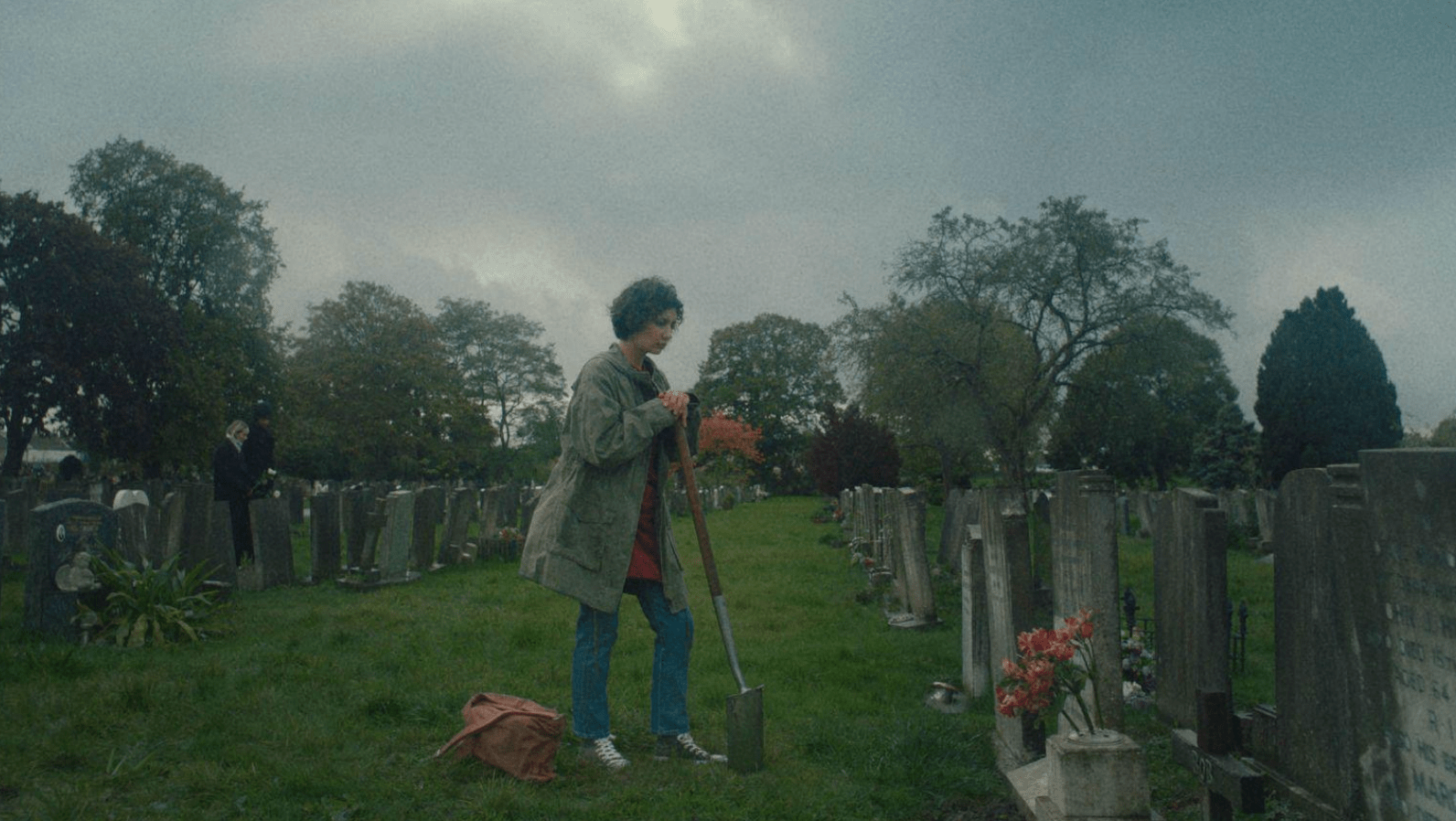
The film follows Mira (Olivia D’Lima), a British-Pakistani woman grappling with the rising tides both literal and emotional. When she makes the decision to exhume her late father’s body and move him to higher ground, the act serves as both a metaphor for ecological displacement and a deeply spiritual reckoning. From this premise, Ehsas spins a tale that is delicate but defiant, grounded but quietly mythic.
What stands out most about There Will Come Soft Rains is its complete rejection of cliché. There are no weather maps or melting glaciers here. Instead, the climate crisis is rendered as something hauntingly domestic it invades the sanctity of grief, disrupts ritual, and forces a daughter to question not just the future of the planet, but the nature of her faith. This isn’t a film about survival; it’s a film about stewardship, legacy, and moral accountability.
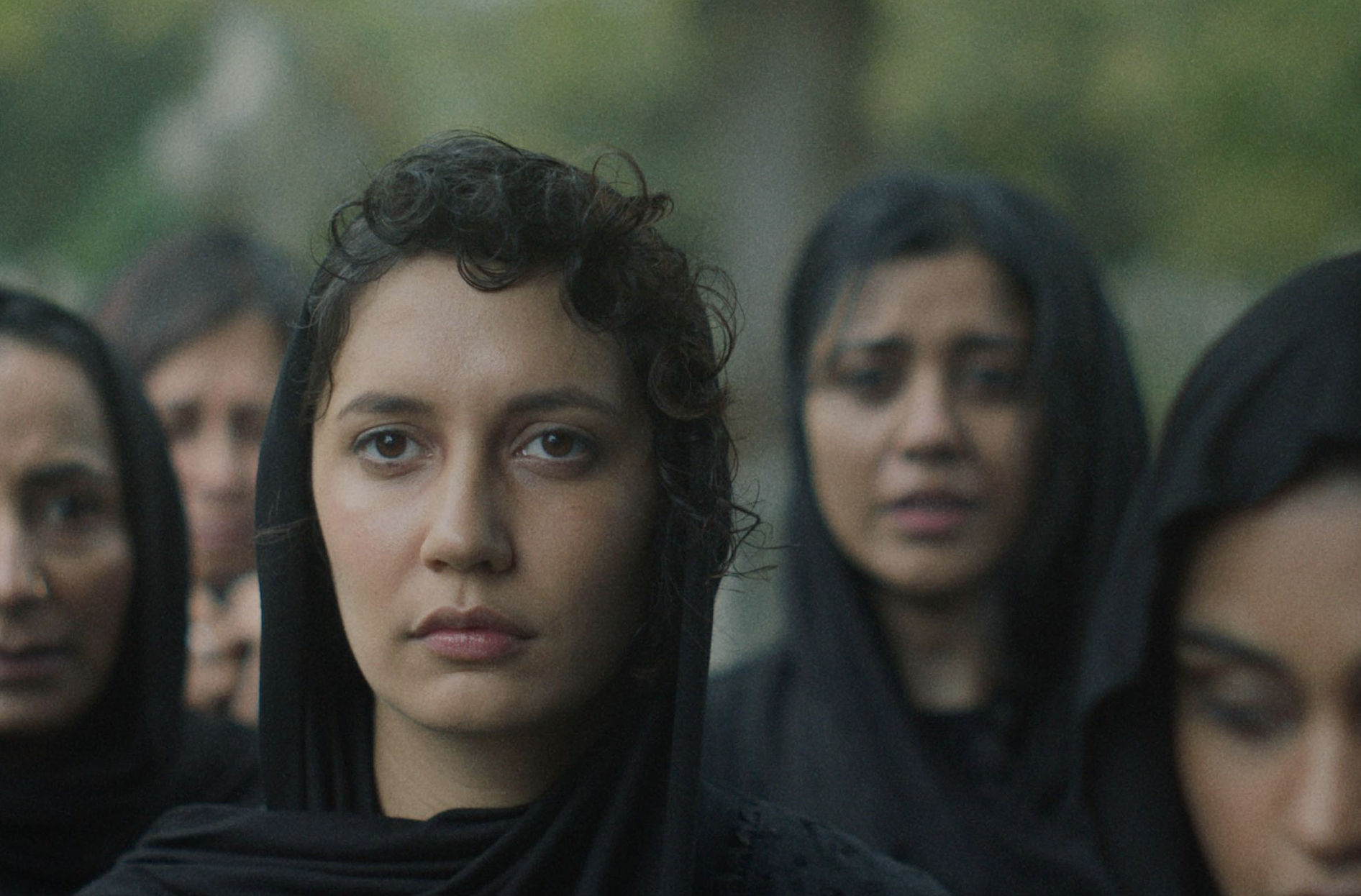
D’Lima’s performance is remarkable. Without melodrama, she holds the screen with a quiet intensity that pulls us into Mira’s inner world. She is supported by a subtle and evocative ensemble cast, whose presence suggests a wider world of cultural expectations and silent disapproval, without ever becoming heavy-handed.
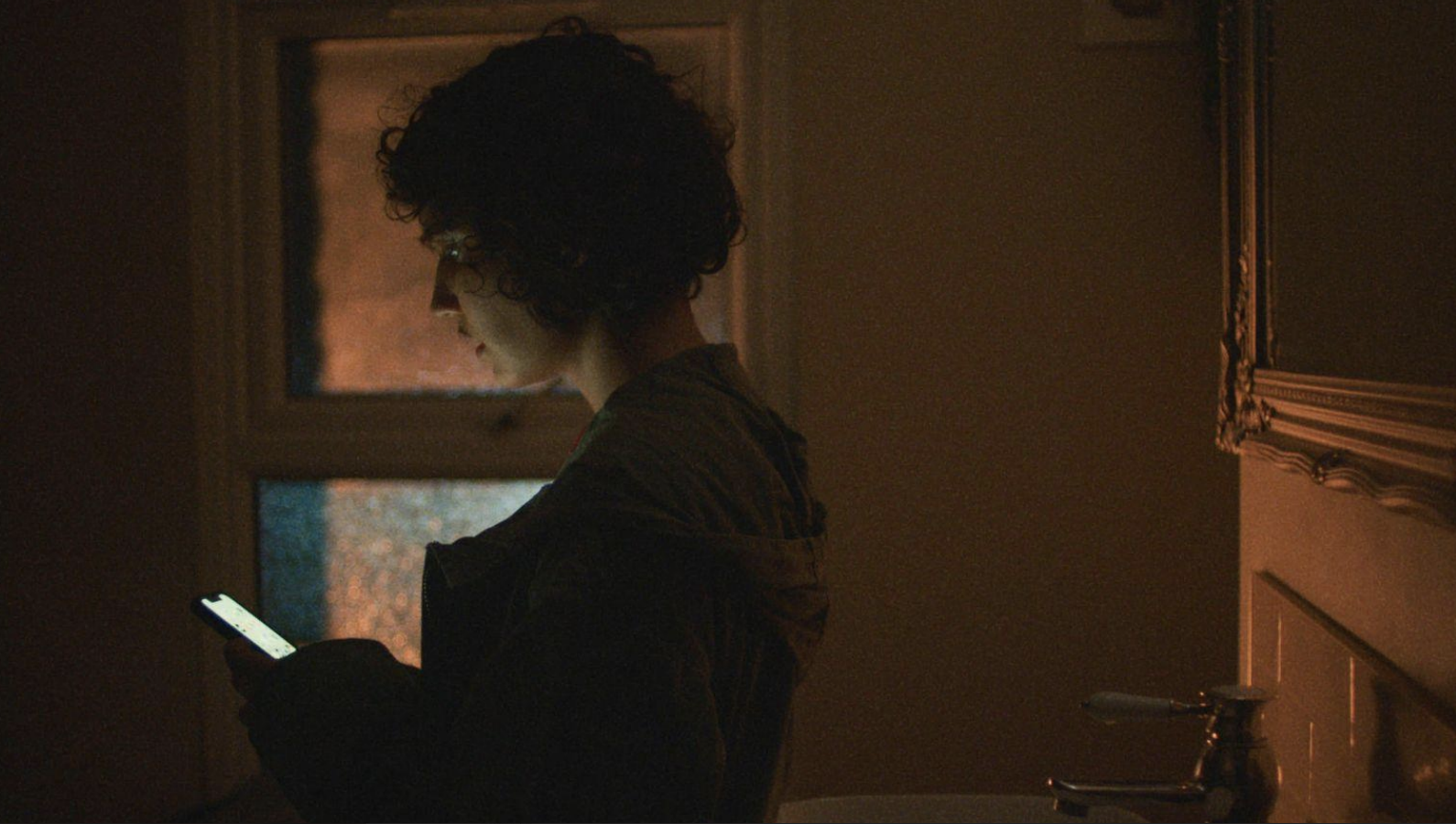
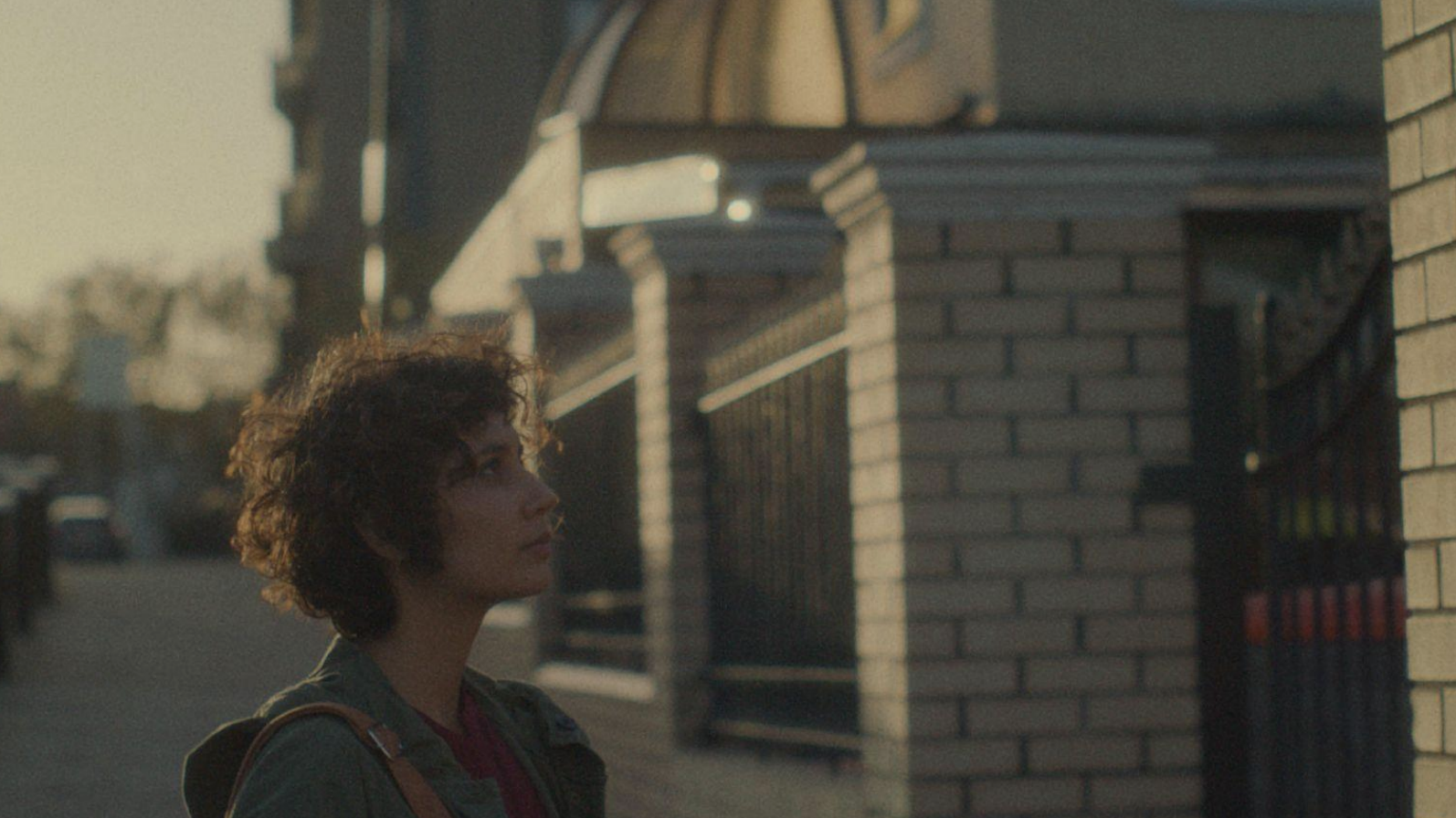
Technically, the film is impeccable. The cinematography by Yiannis Manolopoulos is tactile and immersive, using natural light and earthy palettes to ground the film’s emotional themes. Rana Fadavi’s production design builds a space that feels both sacred and suffocating the perfect visual metaphor for a culture caught between reverence and rigidity. Rushil Ranjan’s score combining traditional South Asian instrumentation with modern emotional arcs is breathtaking.
Ultimately, There Will Come Soft Rains is a story about disruption of climate, tradition, and gendered expectations. But more than that, it’s a vision of what cinema can do when it dares to look inward instead of outward, when it dares to ask hard questions in soft tones.
★★★★★
Ehsas has created something singular; a climate film that breathes with soul, memory, and meaning. One of the most vital shorts of the decade.
James Carter
 Arts Muse Magazine